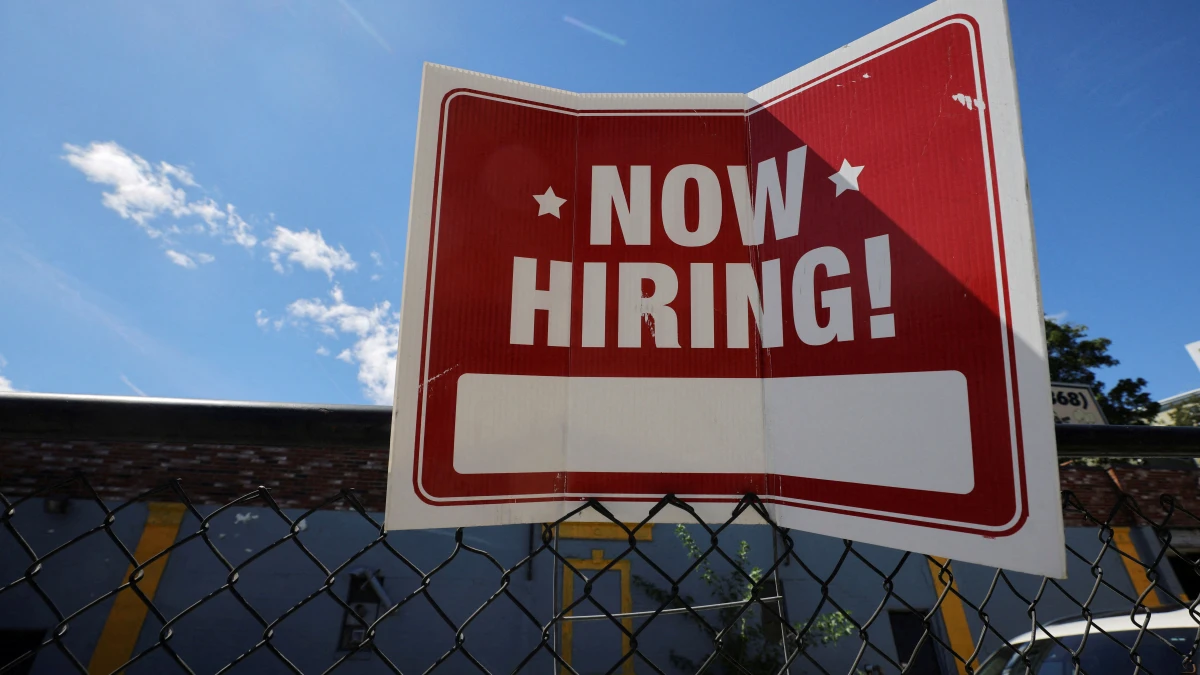
Analysis of the US Unemployment Rate: What to Expect?
The unemployment rate in the United States, which held at 4.3% in September according to a new estimate from the Federal Reserve Bank of Chicago, is a topic that is generating considerable discussion. This rate, which did not change from August, was recently released and has caught the attention of economists and market analysts. But what does this percentage really mean and how does it affect the daily lives of Americans?
Understanding the Chicago Fed's Estimate
The Chicago Fed's estimate is one of the most recent tools developed to offer a perspective on the labor market. This metric is based on the Current Population Survey, conducted by the government, but also incorporates data from non-government sources, such as the job site Indeed and Google search tools. This new approach was presented to the public for the second time and is scheduled to be released twice a month, which can provide valuable early insight for authorities.
Impact of the Government Shutdown
A crucial point to consider is that the publication of the monthly jobs report was postponed due to the government shutdown, which has now occurred for the 15th time since 1981. This scenario may give the Chicago Fed's estimate greater prominence, especially when the central bank needs to make decisions about interest rates. The president of the Chicago Fed, Austan Goolsbee, noted that, in the absence of official data, the Fed's estimate becomes an important resource for analysis.
Market Reactions
Recently, the Fed cut the interest rate by 0.25 percentage point, a decision that was widely discussed. This came after the release of data showing that job gains had fallen significantly, and the unemployment rate rose in August. Authorities are watching closely for the possibility that, if the labor market begins to show signs of weakness, this could happen suddenly and unexpectedly.
Forecasts and Expectations
Forecasts made by the Chicago Fed indicate that, for now, there are no signs of a rapid deterioration in the labor market. Although the rate of hiring unemployed workers has dipped slightly, the rates of job terminations and separations have risen a bit, but nothing that warrants alarm. The Fed stated that these movements are not significant enough to exert substantial pressure on the unemployment rate.
Financial Market Bets
Financial markets are reflecting high expectations of possible further interest rate cuts, with bets on reductions of 0.25 point at the Fed's upcoming meetings in October and December. These expectations are based on the need to keep the economy stable and to avoid a sudden collapse in the labor market.
Final Reflection
The current picture of the US unemployment rate is a reminder of the complexity of the labor market and the importance of following economic data closely. With political volatility and economic uncertainty, the adaptability of monetary authorities will be crucial to ensuring economic stability.
For you, reader, what is your opinion on the current unemployment rate and the measures the Fed is taking? Leave your comment and share your ideas!