How Artificial Intelligence Is Transforming the Recruitment Process and Its Consequences
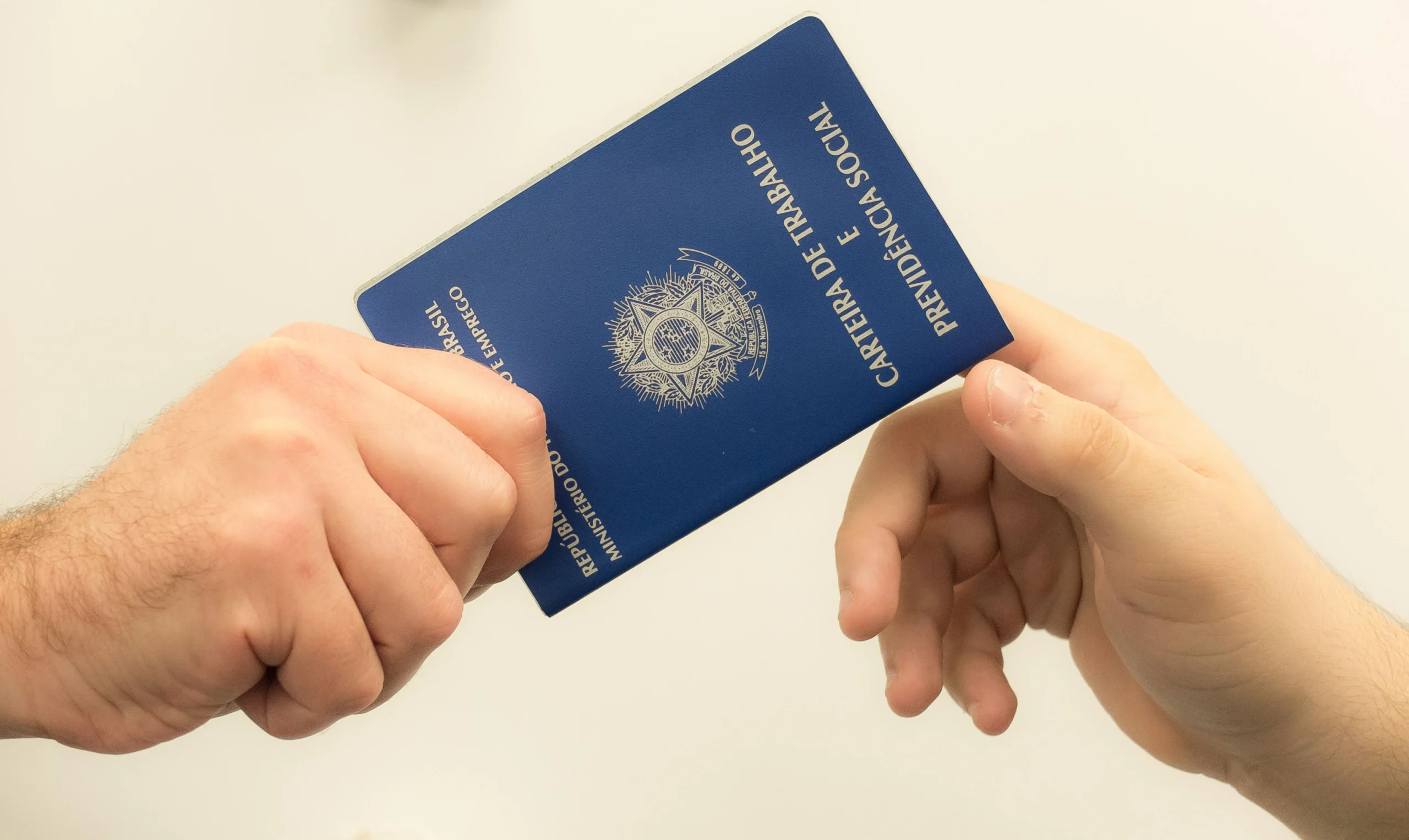
In recent years, especially with the slowdown of the job market in the United States, the way people look for work has changed considerably. Artificial intelligence, which once seemed distant, is now present at several stages of the recruitment process. From interviews to automatically generated cover letters, this technology is reshaping traditional hiring practices, and not always for the better.
The Growing Use of AI in Recruitment
Data from recent surveys reveal that more than half of companies in the US, according to the Society for Human Resource Management, already use artificial intelligence to recruit new employees. This represents a significant increase and, in a way, shows how organizations are adapting to the new reality. In addition, it is estimated that about a third of ChatGPT users soon began using OpenAI's tool to help in their job search. However, what many do not know is that this help may end up reducing candidates' chances of being hired.
Negative Impacts of AI in the Selection Process
A study conducted by researchers such as Anaïs Galdin of Dartmouth and Jesse Silbert of Princeton revealed that the use of artificial intelligence during candidate selection may not be as effective as one might imagine. They analyzed cover letters from thousands of applications on Freelancer.com and noticed that, although the letters had become longer and better written since the introduction of ChatGPT in 2022, employers began to value this aspect less. This made it harder to distinguish qualified candidates from the rest, resulting in a drop in hiring rates and even in the starting salaries offered.
A Vicious Cycle
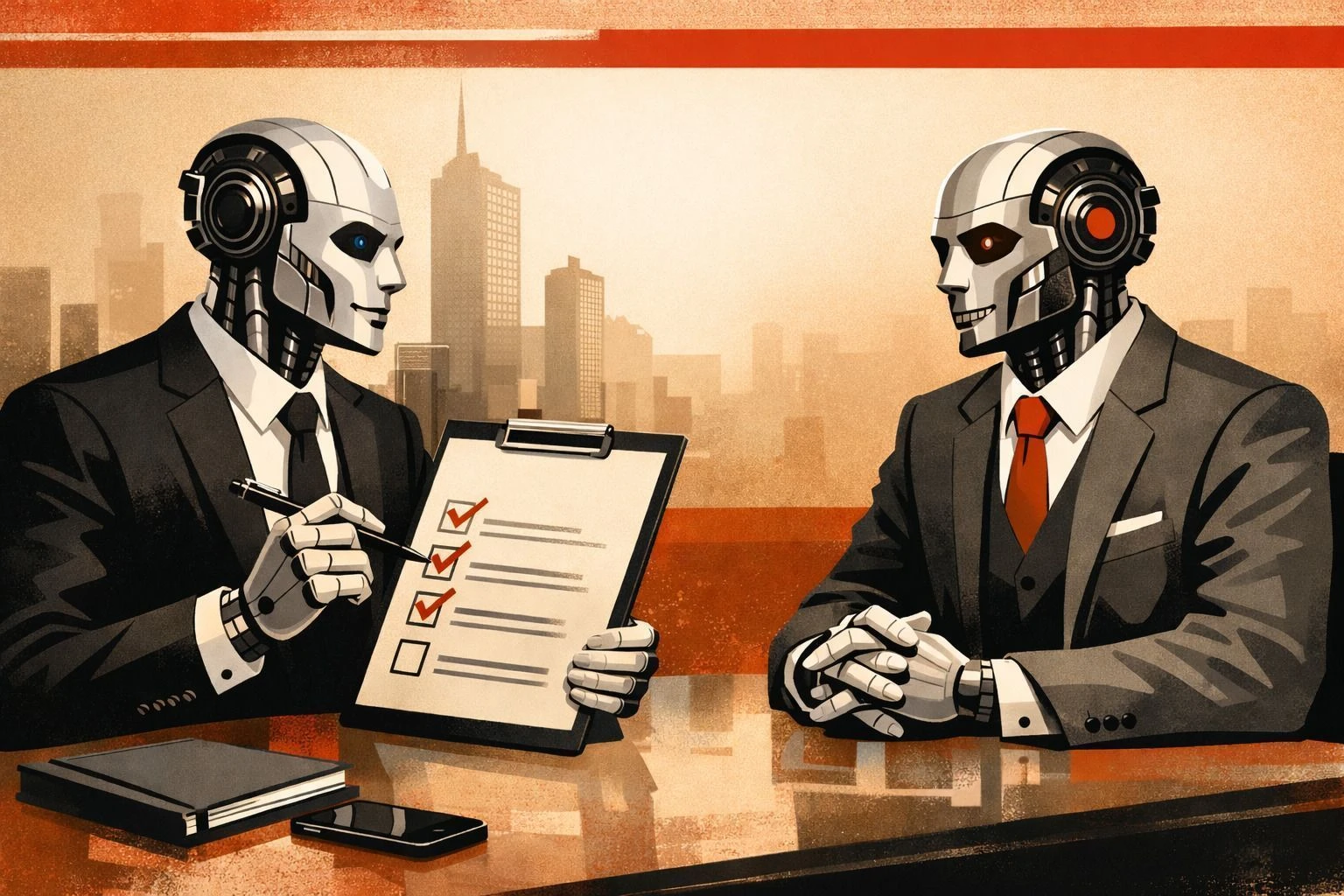
This scenario becomes even more complicated when we consider that, with the growing number of résumés received, employers are responding by automating the interview process itself. A survey conducted by the company Greenhouse in October showed that 54% of candidates interviewed said they had taken part in an interview conducted by artificial intelligence. Although this practice became popular during the 2020 pandemic, it did not make the process less subjective, as pointed out by Djurre Holtrop, a researcher in the area.
Concerns About Discrimination
Despite the growing use of the technology, concerns arise about the discrimination that may occur during the hiring process. Union leaders, such as Liz Shuler of the AFL-CIO, consider it unacceptable that AI could deprive workers of opportunities based on arbitrary criteria, such as names or postal codes. States such as California and Illinois are beginning to implement laws aimed at regulating the use of artificial intelligence in recruitment processes, a necessary response to the rapid evolution of this technology.
Legal Challenges
Legal questions arise as more people begin to question the validity of automated interviews. A notable case involves a deaf woman who sued HireVue, a company that uses AI for recruitment, claiming that the automated interview she underwent did not meet the accessibility standards required by law. HireVue denied the allegations, stating that its technologies are designed to reduce bias. However, this is only one of the many challenges AI faces in the recruitment field.
The Future of Recruitment with AI
Despite the challenges, hiring through artificial intelligence seems to be here to stay. This technology already allows more sophisticated analyses of résumés, offering opportunities to candidates who might be overlooked by traditional methods. However, many still believe that the "human touch" in hiring is irreplaceable. Jared Looper, an IT project manager, shares his negative experience of being interviewed by an AI recruiter, describing the experience as "cold." He worries that many candidates are not prepared to adapt to this new scenario, where the ability to meet AI's expectations becomes crucial.
Final Reflections
With all these changes, what can we conclude about the future of recruitment? It is evident that artificial intelligence has brought both improvements and challenges at the same time. What remains is to find a balance that preserves fairness and inclusion in the job market, preventing technology from becoming an obstacle for the talent it should help discover.