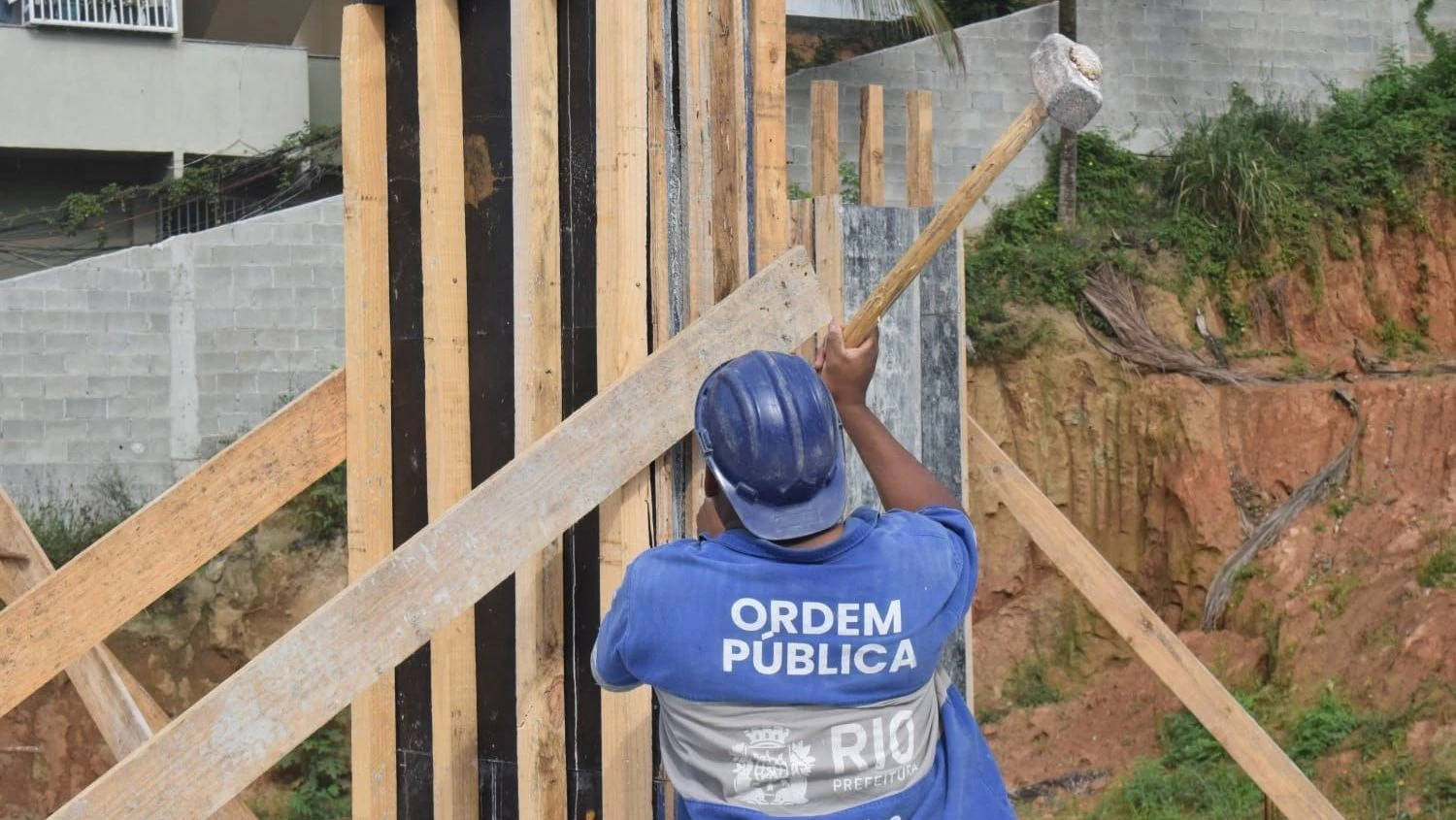
The Future of Construction: Growth Expectations and New Opportunities
The construction industry, one of the fundamental pillars of the Brazilian economy, is about to experience a phase of growth. Forecasts indicate an increase of 2.5% for the sector, surpassing the 1.5% rate projected for 2025. This change comes at a time when, over the last year, the sector faced significant challenges, such as a slowdown in the supply of materials and rising credit costs.
Factors Influencing Growth
According to the CNI (National Confederation of Industry), the recovery of the construction sector may be driven by a combination of incentives aimed at housing and infrastructure. The change in the SFH (Housing Finance System), which now allows financeable properties to reach R$ 2.25 million, a considerable increase over the previous limit of R$ 1.5 million, is one of the main measures aimed at revitalizing the market. In addition, the financed share was raised to 80%, which may make it easier for a larger portion of the population to purchase property.
Impact on Real Estate Credit
The expectation is that these changes in financing will boost real estate credit early in the year, even amid a scenario where interest rates remain high. This represents a significant opportunity for many Brazilians who dream of owning their own home but face barriers due to high costs.
Housing Programs and Their Implications
Another factor expected to contribute to the sector's growth is the Reforma Casa Brasil program, which will allocate R$ 40 billion to low-income housing. This investment is not only crucial for meeting pent-up demand, but also promises to activate the entire construction value chain. The CNI believes this package of measures can generate jobs, helping to offset the weakness that the traditional industry currently faces.
Expectations for GDP and Inflation
In addition to the projected growth for construction, the CNI also estimates GDP growth of 1.8% and inflation of 4.1% for 2026. These positive figures have a direct impact on consumer confidence and willingness to invest, creating a virtuous cycle that can benefit not only the construction sector but the economy as a whole.
Inflation Acceleration and Its Effect
Recently, inflation rose 0.18% in November, influenced by factors such as airfare prices. This acceleration may have a dual effect: on the one hand, it may put pressure on material and service costs, but on the other hand, it may also signal an economic recovery that further stimulates investment in construction.
Conclusion: A Promising Scenario
In short, the future of the construction industry in Brazil looks promising. With the increase in the financing ceiling and programs aimed at affordable housing, the chances of growth are real. However, it is vital that sector managers remain attentive to market fluctuations and the needs of the population so that they can make the most of these new opportunities. Time will tell how these changes will be implemented and what challenges still lie ahead, but the expectation is that, with the right strategies, the sector will not only recover but thrive in the coming years.