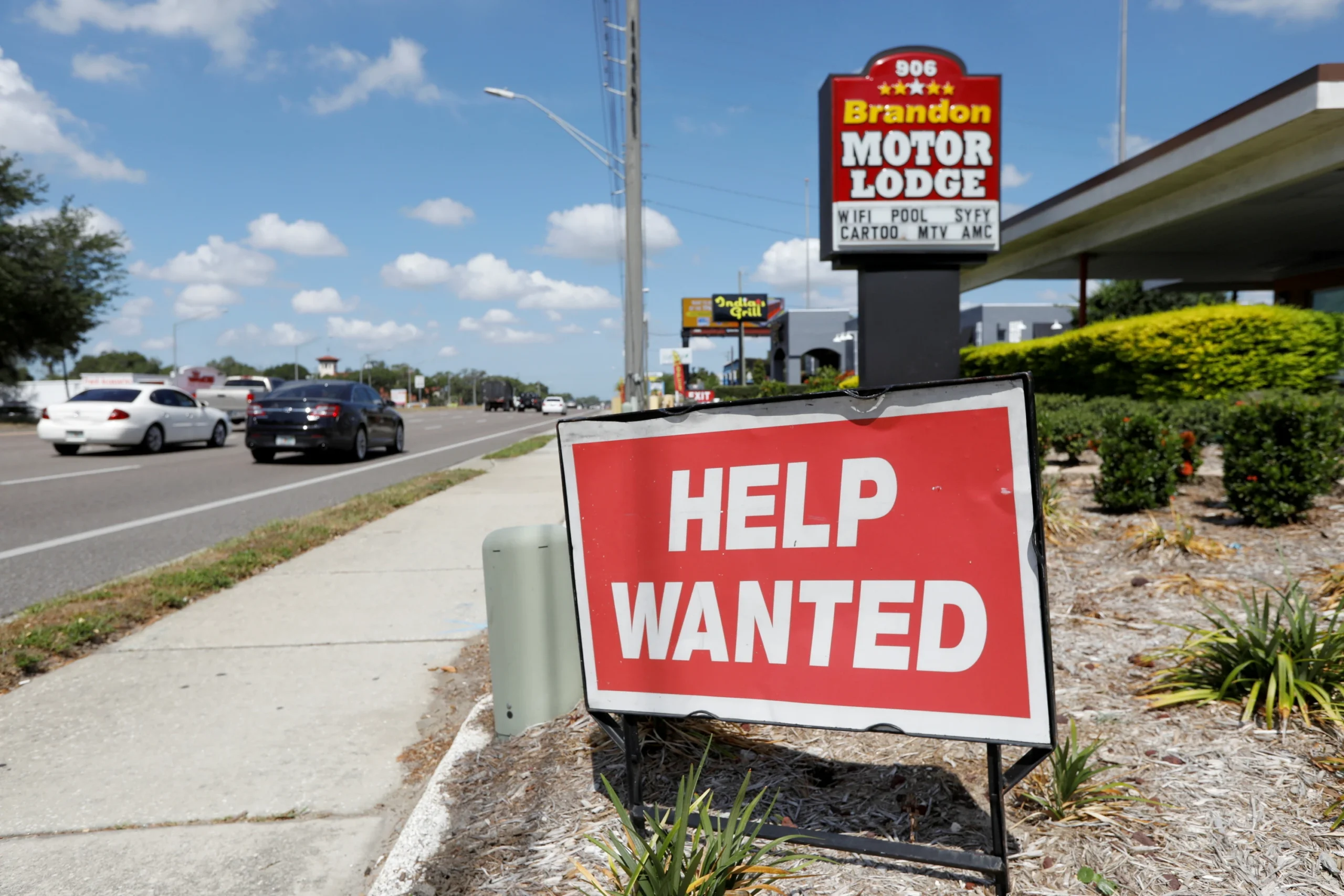
The Impact of the Government Shutdown on the U.S. Jobs Report
On December 16, the United States is preparing to release a jobs report that, on one hand, promises to bring important data, but on the other, is shrouded in some uncertainty. This is due to a government shutdown that lasted more than 40 days, causing the data to be released outside the usual schedule, on a Tuesday, instead of the traditional first Friday of the month. What can we expect from this report? Let's explore it in more detail.
Report Expectations
According to forecasts, the jobs report should indicate the creation of about 40,000 new jobs, with the unemployment rate remaining stable at 4.4%. Although this rate is considered low by historical standards, it is still higher than the average of recent years. This situation raises a series of questions about the true health of the American labor market.
An interesting aspect is that the report will also include October employment data, which is quite unusual. In normal situations, this data is presented separately, but the government shutdown disrupted the collection and processing of the information. Economist Daniel Zhao, from Glassdoor, notes that this report should be analyzed with caution, since current conditions are atypical and may lead to misinterpretations.
What Happened to the October Data?
The Bureau of Labor Statistics (BLS) is responsible for compiling and publishing this data, and its operations were severely impacted during the shutdown. Data collection, which involves interviews with businesses and households, was halted. Without employees available to conduct these interviews, the agency decided to include the October data in the November report.
In addition, the BLS extended the data collection period for both months, giving more time for processing the information. This combination of factors may have a positive effect on data quality, making it more complete and less susceptible to future corrections.
Challenges in Interpreting the Data
Despite expectations of modest job growth, there are caveats. Economist Shruti Mishra, from Bank of America, points out that even though more than 700,000 federal employees were placed on unpaid leave during the shutdown, this should not result in significant negative figures for October. However, uncertainty reigns, and correctly interpreting the data becomes a challenge.
"In practice, it is surprisingly difficult to ask people what they were doing in the past," says Zhao. This means that data analysis must take into account the current context, which is quite different from what was expected in normal months. Therefore, it is essential that analysts keep an open mind to different interpretations.
What to Expect in the Future?
As more data is released, experts suggest that the November report may paint a clearer picture of the labor market. Information such as the distribution of jobs by sector, labor force participation rates, and the ratio of jobs to population are crucial indicators that will help better understand the economic scenario.
Furthermore, forecasts indicate that sectors such as healthcare and restaurants should continue to lead the creation of new job opportunities, while sectors focused on consumer goods may face difficulties. The slowdown in wage growth is also a concern, as it could affect consumer spending in the future.
Final Considerations
In summary, the U.S. November jobs report, although loaded with uncertainties due to the government shutdown, may offer valuable insights into the country's economic situation. We will eagerly follow the results and their implications for the labor market. What do you think the report will reveal? Leave your comments below!