The Impact of the Brazil-China Partnership on the Economy: A Revealing Study
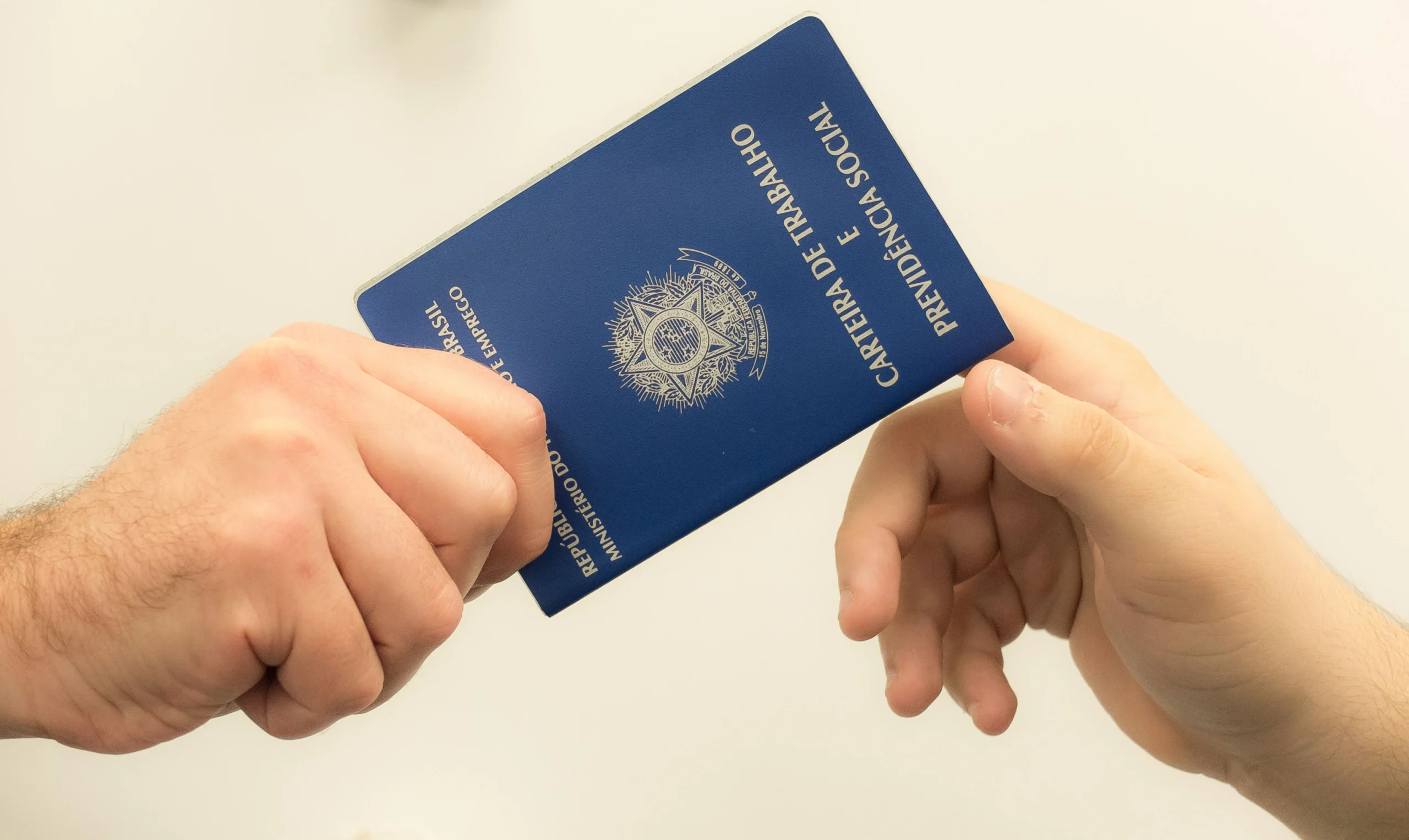
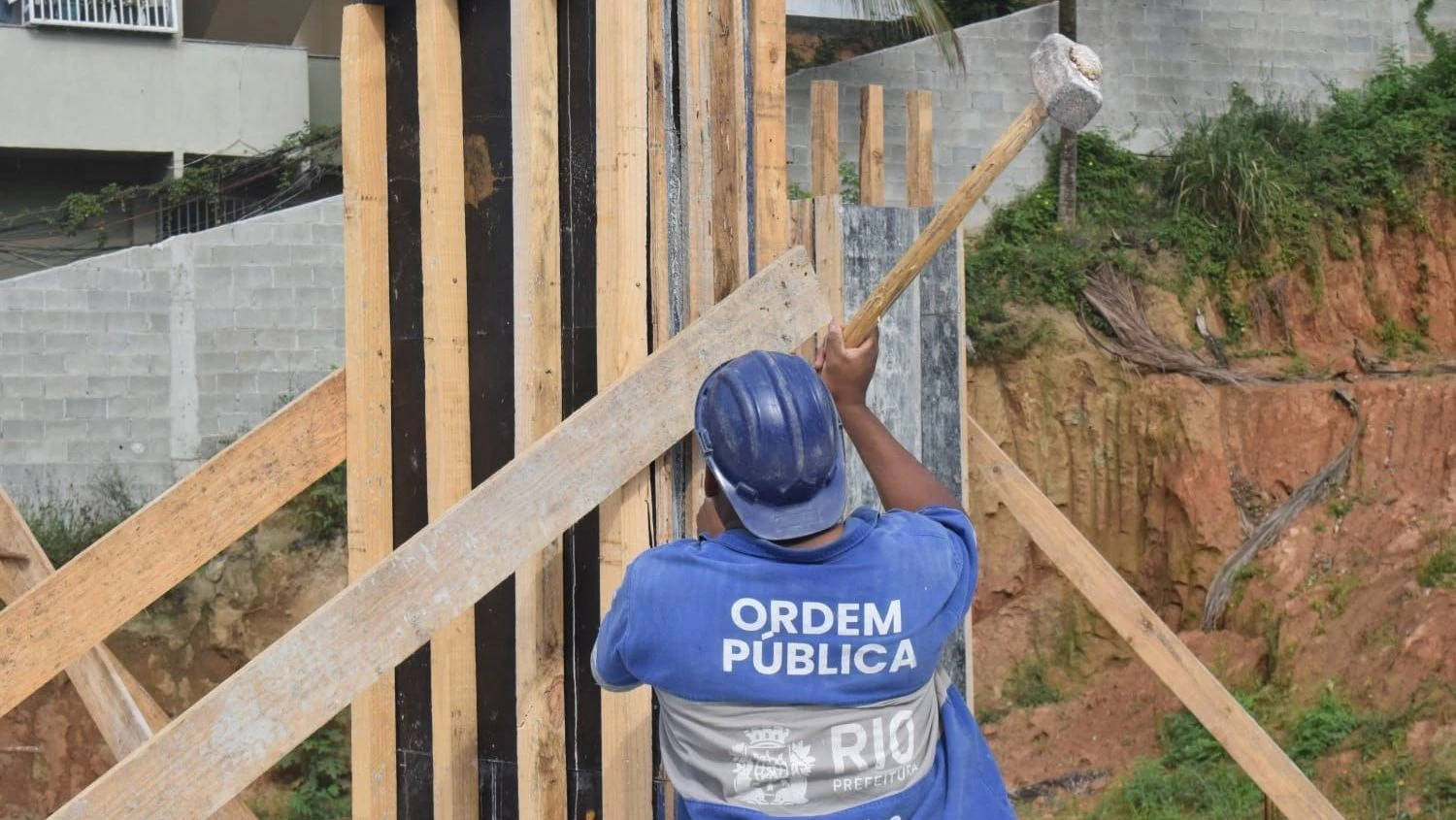
The commercial relationship between Brazil and China has been proving increasingly significant, especially regarding the growth in the number of formal jobs in Brazil. According to a recent study, between 2008 and 2022, jobs generated by exports to China increased by an impressive 62%. This growth outpaced the expansions observed in other Brazilian trade partnerships, such as with the United States, which saw an increase of 32.3%, and the European Union, with 22.8%.
Revealing Data on Jobs
The survey, carried out by CEBC (Brazil-China Business Council), in collaboration with Mdic (Ministry of Development, Industry, Trade and Services), shows that, in the same period, imports from China were also responsible for a 55.4% growth in jobs. This is remarkable, especially when compared with the expansions recorded in imports from South America (21.7%) and the European Union (21%).
An interesting finding of the study is that, in 2022, the Brazil-China partnership became the largest source of jobs in import activities, with more than 5.5 million jobs generated. This is 145 thousand more than the jobs created by the European Union. It is the first time trade between the two countries has reached this position since the historical series began in 2008.
Exports and Their Impact on Employment
Although the number of jobs linked to exports to China has grown substantially, totaling more than 2 million people, it still lags behind other partnerships in absolute number of jobs. For example, Mercosur employs about 3.8 million people, while the European Union and South America have 3.6 million and 3.5 million, respectively.
CEBC analyst Camila Amigo points out that the structure of Brazilian exports to China is dominated by agricultural and mineral products, which, by their nature, generate fewer jobs. "These sectors, despite being very competitive, are highly mechanized compared with more diversified industrial sectors," Amigo explains.
China's Role in the Brazilian Economy
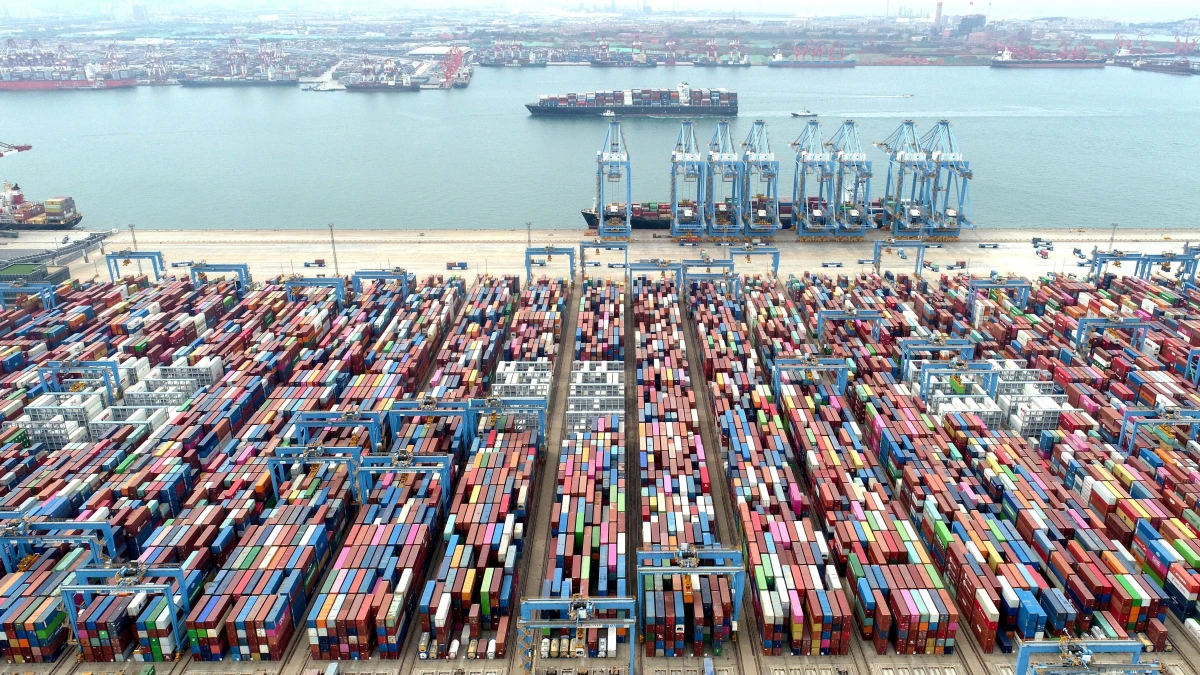
China has consolidated itself as Brazil's main economic partner. In 2024, about 3 million Brazilian companies were exporting to the Asian giant, while 40 thousand were involved in imports. To put it in perspective, 28% of Brazil's foreign sales were destined for China, while 24% of its foreign purchases came from the Asian country.
This relationship has generated a significant surplus for Brazil, with a positive balance of US$ 276 billion over the last ten years. This amount represents about 51% of Brazil's total surplus with the world. This commercial relationship is not merely a positive number; it is seen as a pillar of Brazil's macroeconomic stability.
Economic Stability and the Future of the Relationship
Maintaining this surplus over the years has helped minimize Brazil's external vulnerability and strengthen its international reserves. This, in turn, has contributed to greater balance in the balance of payments, helping to smooth currency volatility and protect the Brazilian economy from international shocks.
Analyst Camila Amigo believes that, in a scenario where Brazil faces high tariffs imposed by the United States, the partnership with China proves even more essential. "China needs Brazil as a reliable supplier of food and energy, while Brazil benefits from access to the world's largest consumer market," she states.
Future Prospects
The future of the trade relationship between Brazil and China should be guided by trust and by the pursuit of diversification in exports. Amigo highlights the importance of not only focusing on commodities, but also exploring new opportunities for products and companies in this trade.
- In short, the Brazil-China relationship strengthens every year.
- The CEBC study is a reminder of the potential this partnership can still offer.
- With a constantly changing global scenario, adaptability will be crucial for the continued success of this relationship.
Therefore, the future looks promising, but it depends on the ability of both countries to adapt and prosper together in this dynamic market.