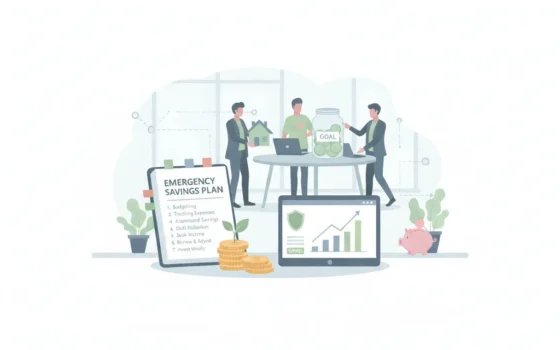
Having an emergency fund is essential for your financial health. It acts as a cushion for unexpected events, protecting you from debt and financial strain. Building this fund may seem difficult, but with the right habits, it is possible to quickly grow your balance. In this article, we will explain the seven financial habits that help boost your emergency fund efficiently.
What it is / How it works
An emergency fund is an amount saved for unexpected situations, such as unemployment or medical expenses. Generally, it should cover three to six months of your monthly expenses. It works as a fund you can easily access without compromising your long-term investments. The idea is to have money available quickly to avoid expensive debt.
To create this fund, it is essential to cultivate financial habits that prioritize saving and expense control. Institutions such as Banco Inter and Neon encourage this planning through digital accounts with features that help track your finances.
Advantages and benefits
Maintaining an emergency fund brings security and peace of mind. With it, you avoid the stress caused by financial surprises. In addition, it helps you:
- Protection against debt and high interest;
- Greater discipline and financial control;
- Ability to make more conscious financial choices;
- Preparation for opportunities, such as investments or planned purchases.
Traditional banks such as Bradesco and fintechs such as PicPay often offer financial products dedicated to saving goals that make building this fund easier.
Precautions and points of attention
Despite the benefits, there are important precautions when setting up and using your emergency fund. Avoid spending this amount on day-to-day expenses or momentary wants. It should be reserved exclusively for real emergencies.
Another consideration is choosing where to keep this money. Prefer options with immediate liquidity, such as the PagBank Account, which allows quick withdrawals without losing yield. Avoid keeping this amount invested in assets that may carry risks or long redemption periods, such as some types of funds.
How to apply / get started
To get started, make a list of your fixed monthly expenses. This way, you know how much you need to accumulate. Then, look for a digital account or an application that offers liquidity and returns, such as the digital accounts from C6 Bank or Banco do Brasil.
Set a monthly amount to save. You can automate transfers to a separate account or use app features such as Ame Digital that help with control and discipline in the saving habit.
Another practical tip is to review your spending and eliminate non-essential expenses, directing that money to the reserve. Also consider selling rarely used items to add to your emergency savings.
Conclusion
Building an emergency fund is an essential step to ensuring your financial stability. With simple and consistent habits, it is possible to grow this fund quickly without impacting your budget.
Prioritize expense control, choose good financial products, and stay focused on saving for your security. By following these seven financial habits, you will be better prepared for any unexpected event and can take advantage of opportunities with greater peace of mind.