Building an emergency fund is essential for financial health. Having money saved for unexpected events brings security and prevents debt. Adopting solid financial habits helps you grow your reserve quickly. In this article, I will show you 7 habits you can start today to strengthen your emergency fund.
What an emergency reserve is and how it works
An emergency fund is a sum of money set aside to cover unexpected expenses. It works as a financial safety net for situations such as unemployment, health problems or urgent repairs. Ideally, the amount should cover between 3 and 6 months of your essential expenses.
It is important that the reserve be kept in an easily accessible investment with low volatility. Digital banks such as Inter and Neon offer accounts with yield and immediate liquidity, making it easy to use when needed.
7 habits to grow your emergency fund quickly
Adopting financial discipline helps speed up the growth of your reserve. Check out the main recommended habits below:
- Set a fixed amount to save: Set aside a monthly amount for the reserve, even if it is small. Digital banks like PicPay and Will Bank make this process easier with automatic transfer features.
- Control your spending: Track all your expenses to identify where to cut back. The C6 Bank and Mercado Pago apps offer free tools for financial control.
- Avoid impulse purchases: Think before spending on unnecessary things. This attitude helps preserve your reserve and avoid debt.
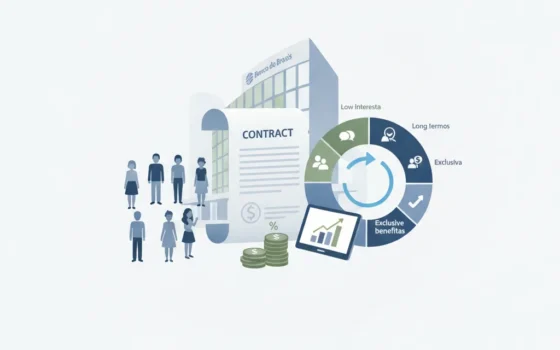
- Choose safe investments: Opt for low-risk, highly liquid investments, such as CDBs from banks like Banco do Brasil or DI funds from brokers like XP.
- Generate extra income: Use platforms like Uber, 99 or even resell products to increase the money allocated to your reserve.
- Review your goals monthly: Assess whether the amount saved is adequate for your needs and adjust your planning whenever necessary.
- Avoid using the reserve for routine expenses: The reserve is for real emergencies. Using it for ordinary bills can compromise your financial security.
Advantages and benefits of having an emergency fund
Having a well-structured reserve brings several advantages. First, it gives you peace of mind to face unexpected events without financial strain. In addition, it avoids using high-interest credit, such as credit cards or payroll loans from BMG or PAN.
Another advantage is better budget organization. People who build this habit tend to be more disciplined and less prone to debt. This makes it easier to achieve other financial goals, such as buying a property with financing from Bradesco or investing in stocks through Modal.
Precautions and points of attention when building the reserve
Despite the benefits, take some precautions to ensure your reserve is effective. Avoid investing in high-risk products, such as volatile stocks offered by platforms like Warren or Genial, as the money may not be available when you need it.
Also do not mix the reserve money with your everyday account. Traditional banks such as Itaú and Santander offer linked savings account options, which help keep your finances separate. In addition, review your spending to make sure you are saving enough without compromising the basics.
How to get started building your emergency fund
To begin, choose a bank or brokerage that makes it easy to save and withdraw money with liquidity. Fintechs such as Neon and PicPay are great options for beginners, with simple apps and attractive yields.
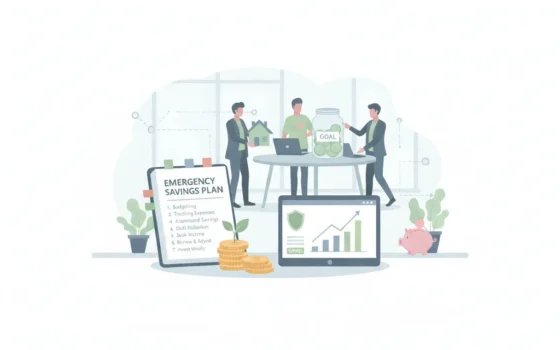
Next, define your financial goal. Through detailed planning, set the ideal amount for your reserve and how much you need to set aside each month. Use your bank's tools to automate deposits. Digital banks such as Next and PagBank make it possible to schedule automatic transfers that prevent forgetting.
Finally, keep the habit of reviewing your reserve and your goals. Adjust the amounts as your income and expenses change. This way, your reserve will always be aligned with your needs and will guarantee stability.
Conclusion
Growing your emergency fund requires discipline, planning and solid financial habits. With the tips presented here, you can accelerate this build-up and be prepared for unexpected events. Remember to use services from trustworthy institutions, such as Sicoob, XP or Banco do Nordeste, to ensure security and returns. Start today and protect your financial future.