Having a good credit score is essential to make it easier to get approved for financing, credit cards and other financial operations. Improving your score may seem complex, but there are efficient strategies that help raise your score in a short time. In this article, you will learn 7 proven strategies to quickly increase your credit score and improve your financial health.
What is a credit score and how it works
The credit score is a rating that indicates your level of reliability for financial institutions. The higher the score, the greater the chance of getting loans and credit with better conditions. This score is calculated by companies such as Serasa and Boa Vista based on your financial history, on-time payments and registration information.
The score takes into account factors such as your payment behavior, amount of debts and even the length of your relationship with financial institutions. That is why understanding how it works is the first step to improving your score.
Advantages and benefits of a high credit score
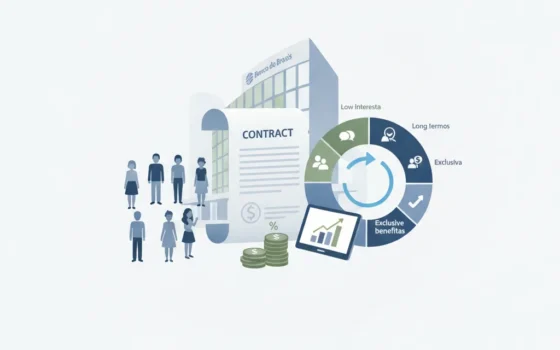
Having a good score brings many advantages to your daily financial life. With a high score, you have access to better interest rates and greater ease in negotiating loans and financing. In addition, your approval for credit cards and registration with fintechs such as PagBank or digital banks such as Inter becomes much more practical.
Another benefit is that you come to be seen as a trustworthy customer, and you may even get higher limits and exclusive promotions. This helps you better plan and control your personal finances and avoid unpleasant surprises.
Precautions and points of attention to avoid harming your score
To avoid compromising your score, it is important to avoid late payments, which are one of the main negative factors. In addition, do not apply for many loans or cards in a short period, as this may indicate risk to the financial system.
Also avoid registering with unknown institutions that may cause erroneous records. Settling old debts is another essential precaution, since overdue pending amounts directly impact your score and make recovery difficult.
7 proven strategies to quickly increase your credit score
Now, let's get to the main point: the most efficient techniques to improve your score quickly.
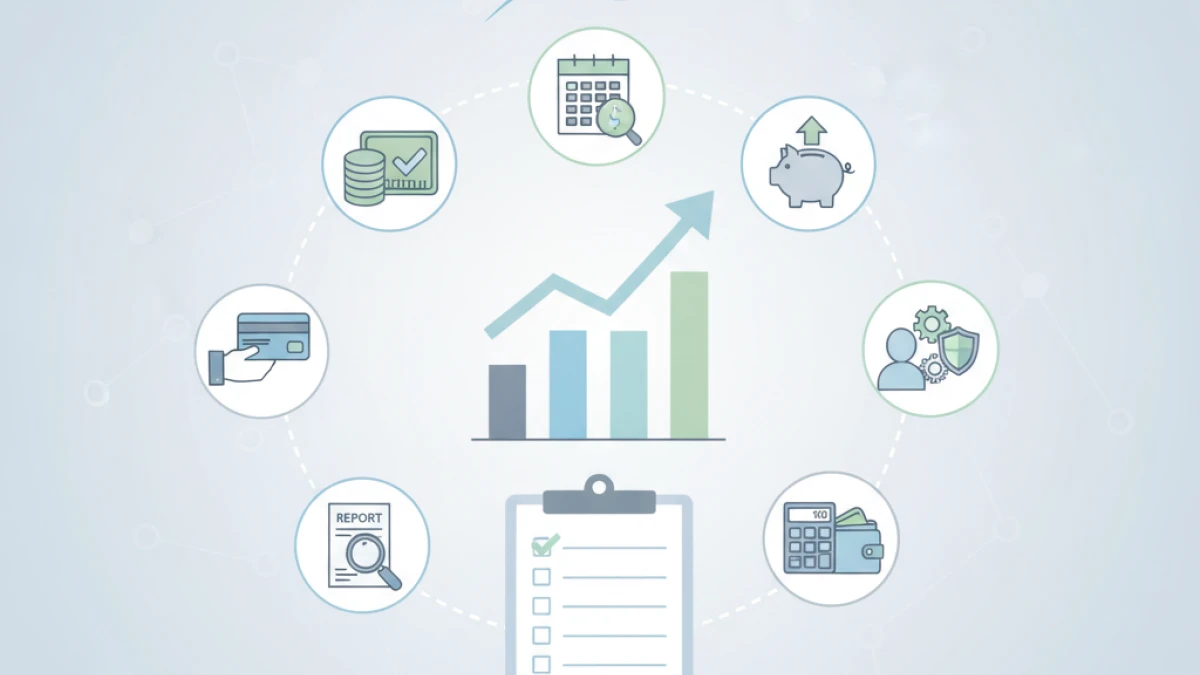
- 1. Pay your bills on time: Punctuality is the foundation of a good score. Always settle your expenses within the deadline.
- 2. Use the positive credit registry: Enable the positive registry in services such as Serasa to record your good payments.
- 3. Negotiate and settle debts: Settle pending debts, preferably with traditional banks such as Itaú or Caixa Econômica.
- 4. Avoid excessive credit inquiries: Do not apply for credit frequently, as this may lower your score.
- 5. Keep your registration up to date: Correct and updated information with institutions is essential.
- 6. Have a credit card and use it responsibly: Institutions such as Neon and C6 Bank make it easy to obtain one, but it is important to use it with discipline.
- 7. Make regular financial transactions: Having active transactions with digital banks or cooperatives such as Sicredi helps demonstrate good habits.
How to start applying these strategies today
The first step is to check your credit score on trustworthy platforms. Then, plan bill payments to avoid delays and check whether there are pending debts to negotiate.
Next, sign up for the positive registry and keep your personal information up to date with financial institutions. Finally, choose a credit card suited to your profile, such as those offered by the fintech Will Bank or the digital bank Next, and control its use to avoid over-indebtedness.
Conclusion
Improving your credit score is a achievable task with simple and consistent actions. Applying the 7 strategies we showed helps raise your score quickly, ensuring more security and better financial opportunities.
Pay attention to the precautions so as not to harm your score and keep healthy credit management habits. With patience and discipline, you will have greater freedom to carry out your plans without difficulty.