Introduction
Organizing your personal finances is essential to ensure stability and achieve financial goals. In the current context of 2026, where credit options and digital accounts are increasingly accessible, understanding how to control spending and avoid unnecessary expenses becomes fundamental to financial health.
Why organize your personal finances?
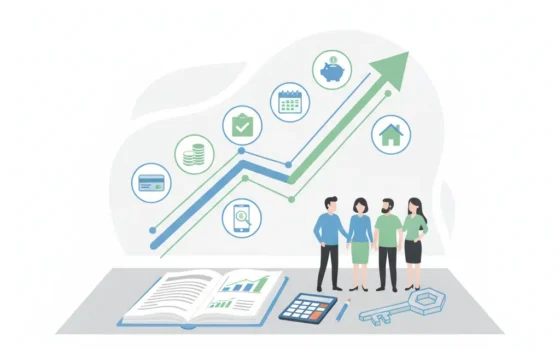
Organized personal finances allow you to keep control over your income, expenses and savings, helping to avoid debt and financial stress. In addition, having a clear view of your earnings and spending makes it easier to plan investments and reach goals such as buying a home, traveling or securing a peaceful retirement.
Steps to organize your finances and avoid unnecessary spending
1. Make a financial diagnosis
The first step is to understand your current situation. List all your sources of income and monthly expenses, including fixed bills such as rent, electricity, and variable spending such as food and leisure. Use digital tools like the apps from Banco Inter or the PicPay platform, which offer automatic reports to make this control easier.
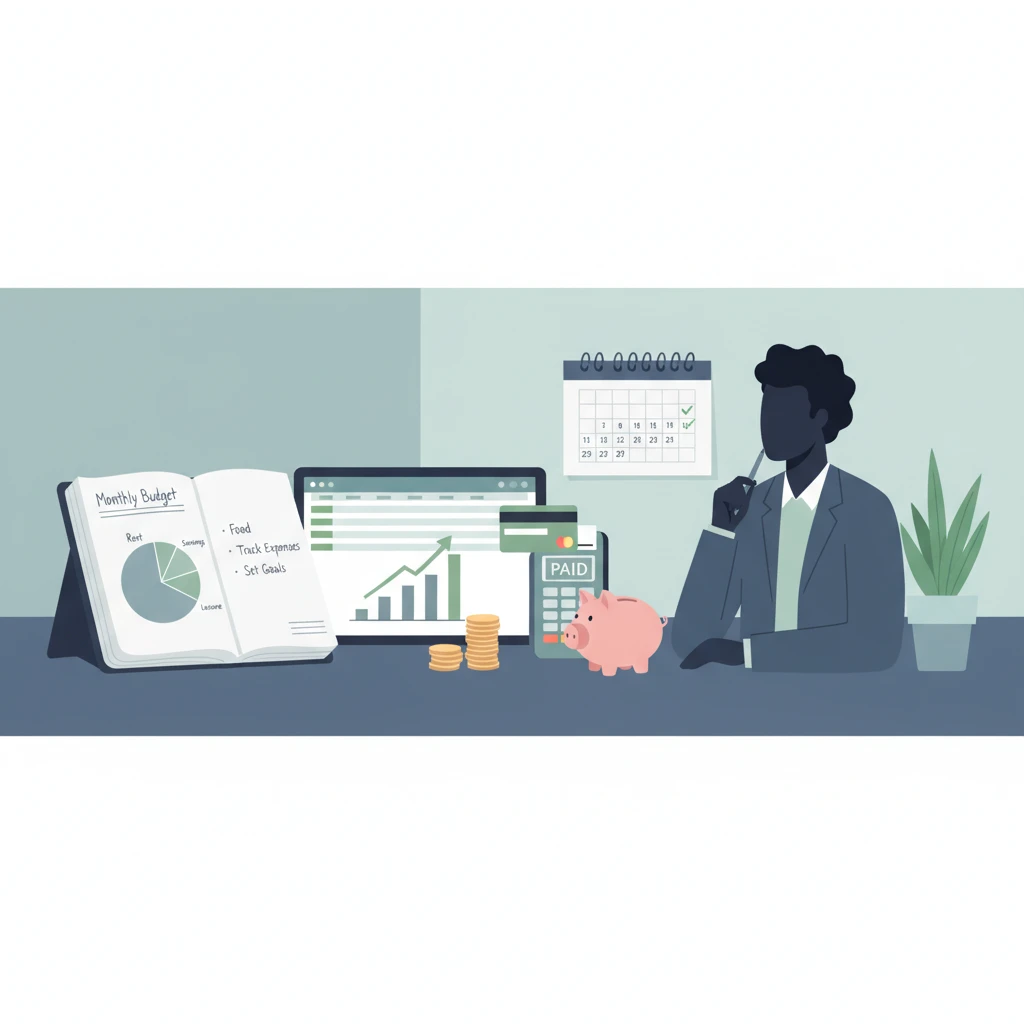
2. Draw up a monthly budget
Set limits for each expense category based on the diagnosis you made. A useful tip is the 50/30/20 rule, which recommends 50% for needs, 30% for wants and 20% for savings or investments. This strategy helps balance how you use money and set aside funds for emergencies.
3. Identify and cut unnecessary spending
Review unused subscriptions and services, avoid impulse purchases and prioritize setting priorities. For example, if you have credit cards such as those from Banco Original or Banco PAN, be careful not to exceed the limit or make convenience purchases without planning how you will pay.
4. Use digital accounts and fintechs to your advantage
Platforms such as Revolut and Banco Bari offer features that help with financial control and planning, including spending notifications, blocking of excessive spending and expense reports. Taking advantage of these technologies can make the organizing process more practical and efficient.
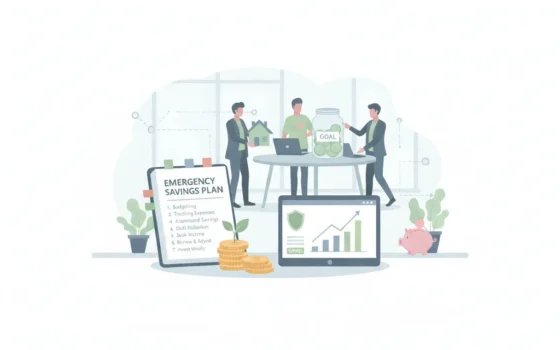
5. Build an emergency reserve
Having a reserve covering at least three to six months of expenses keeps unforeseen situations such as unemployment or medical emergencies from causing aggravated financial impacts. Institutions such as Sofisa and Sicoob offer low-risk investment options ideal for this purpose.
Comparisons between traditional and digital methods of financial control
While the traditional method of writing expenses on paper is still valid for some people, the use of apps and digital platforms is growing due to their practicality and integration with bank accounts, enabling real-time updates of spending.
For example, BTG Pactual offers a complete platform for investments and financial management, combining technology and consulting, while Mercado Pago stands out for its ease in managing payments and transfers from the cell phone.
Practical tips to avoid unnecessary spending in everyday life
- Avoid impulse buying: plan your purchases and set a waiting period for non-essential items.
- Prefer cash purchases: besides avoiding interest, it makes budget control easier.
- Research prices and conditions before acquiring products or services.
- Monitor your energy and other utility consumption to avoid waste.
- Use cashback and loyalty programs that offer financial returns on purchases.
Conclusion
Organizing your personal finances is a task that demands discipline and knowledge, but the results bring peace of mind and opportunities for financial growth. In 2026, with the advance of fintechs and digital banks, the tools to control and optimize your resources are more accessible than ever. Start planning your budget today, cut unnecessary spending and invest in a safe reserve. Your financial future will thank you.
Want to deepen your financial knowledge? Explore reliable articles on sites like InfoMoney and Valor Econômico to stay up to date and make more assertive decisions.