Introduction
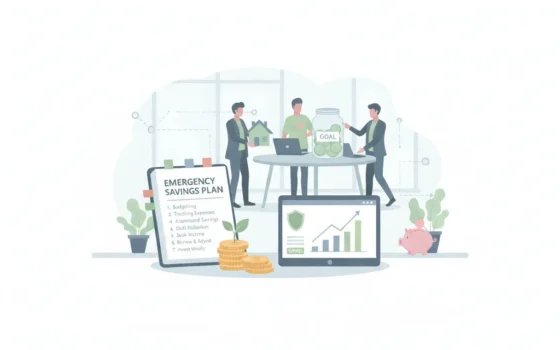
Maintaining an emergency fund is essential to ensure financial security, especially when income is unstable and variable. Self-employed professionals, freelancers and investors who depend on commissions or irregular earnings face unique challenges in building and keeping this financial protection. In this article, we will explore practical and effective strategies to build a solid emergency fund even in the face of income volatility.
Why Is the Emergency Fund Crucial for People with Variable Income?
An emergency fund serves as a safety net to cover unexpected expenses such as job loss, medical emergencies or home repairs. For those with variable income, this protection is even more important, since fluctuating earnings can make it hard to meet fixed financial commitments and unexpected emergencies, as well as avoid falling into debt.
How to Build an Emergency Fund with Variable Income
1. Understand Your Monthly Finances
The first step is to have clarity about your fixed and variable spending. Use tools such as spreadsheets or financial apps to track your expenses. Identify an average monthly amount needed to cover essentials such as housing, food, transportation and health.
2. Define the Ideal Size of the Fund
Experts recommend setting aside 6 to 12 months of monthly costs for people with irregular income. This helps ensure that, even in months without earnings, you can meet your commitments.
3. Set Priorities for Using Your Income
When income is higher, prioritize contributing more to the fund. In months of low income, avoid withdrawing from this fund for non-emergency expenses. Organizations such as Sicoob stress the importance of discipline for the success of the fund.
4. Automate the Saving Process
Many fintechs, such as Inter and PicPay, offer automatic savings tools. Set up automatic transfers, even small ones, to make the habit more efficient and less prone to being forgotten.
5. Invest the Fund Safely and with Liquidity
Choosing low-risk, highly liquid investments is vital for an emergency fund. Platforms such as BTG Pactual digital and Sofisa Direto offer safe options such as daily-liquidity CDBs, DI funds and Tesouro Selic, which allow quick redemption with good returns.
Additional Strategies to Maximize Financial Security
- Diversify Income Sources: Having multiple sources, such as freelance work, investments and passive income, helps smooth out financial fluctuations.
- Negotiate Bills and Debts: Seek lower interest rates on credit cards and loans to ease your monthly budget.
- Educate Yourself Financially: Learn more about personal finance and investing to make safer and more efficient decisions.
Comparison: Emergency Fund in Fintechs vs Traditional Banks
Although traditional banks such as Bradesco and Banco do Brasil offer investment solutions for reserves, fintechs stand out for their simplified process, lower fees and intuitive digital tools. Cooperatives, such as Sicoob, offer competitive rates and personalized service, an interesting option for those seeking closer and more flexible support.
Conclusion
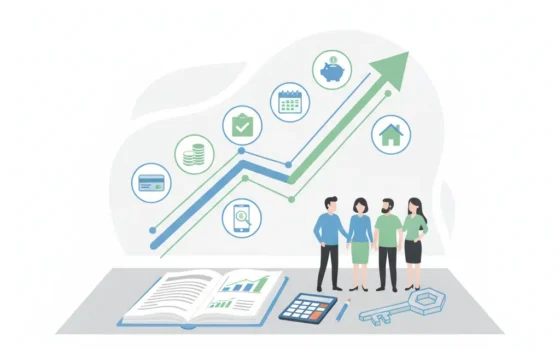
Building an effective emergency fund even with variable income is possible with planning, discipline and strategic financial choices. Monitoring spending, prioritizing automatic savings and investing safely are fundamental steps to ensure financial peace of mind. Remember, protecting yourself against financial setbacks is a commitment that will bring greater freedom and stability, regardless of variation in your income.
Don't wait for the unexpected to happen. Start organizing your finances and building your emergency fund now. This attitude can make all the difference to your financial health in 2026 and the years that follow.