Introduction
Building an efficient monthly budget is essential to keep your finances healthy and achieve personal goals with more security. In 2026, with the rising cost of living and inflation hitting the pockets of millions of Brazilians, controlling expenses has become a greater challenge. However, with planning and discipline, it is possible to avoid unnecessary spending and make your money go further.
Why is creating a monthly budget important?
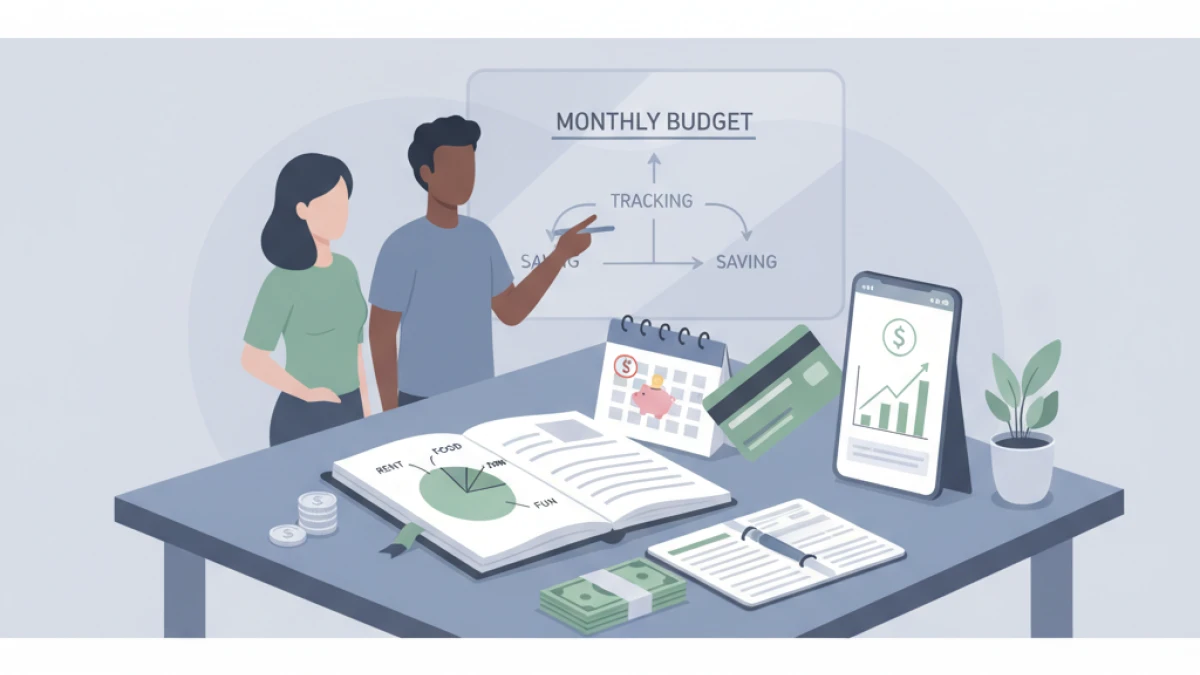
A monthly budget works as a financial map, where you identify all income and expenses to make conscious decisions. Without it, the risk of losing control of spending increases, which can lead to debt and prevent you from realizing dreams, such as buying a home, traveling or investing.
According to studies by the Central Bank of Brazil, nearly 60% of Brazilians do not have adequate financial control, which reinforces the importance of this tool.
Steps to create an efficient monthly budget
1. List all your sources of income
Include salary, investment returns, freelance work and any other financial inflow. Having clarity about the total available helps you set spending limits.
2. Identify and categorize your expenses
Separate all expenses into categories such as housing, food, transportation, leisure and education. Use apps like Mobills or digital bank platforms like Inter and Sofisa Direto that offer integrated financial control tools.
3. Define priorities and fixed expenses
Focus on essential expenses that cannot be cut, such as rent, electricity and water bills, as well as loan and financing installments.
4. Set limits for variable expenses
Spending on leisure, eating out and non-essential purchases should have a monthly ceiling to avoid overspending.
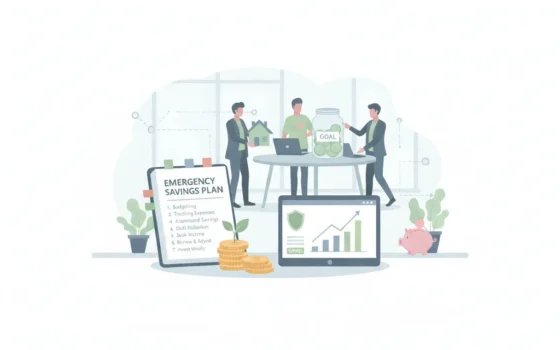
5. Set aside a portion for emergencies and investments
Allocate at least 10% of your income to a financial reserve and investment opportunities. Platforms like BTG Pactual Digital and Banco Bari offer affordable options to start investing even with small amounts.
6. Monitor and review your budget constantly
Every month, analyze whether spending stayed within plan and make necessary adjustments. This practice helps identify where money is leaking.
Practical tips to avoid unnecessary spending
- Adopt the digital envelope method: Set specific amounts for expense categories and avoid using your credit card indiscriminately.
- Plan your purchases: Make lists and avoid going to the supermarket hungry or on impulse.
- Review your subscriptions and services: Cancel those you don't use and renegotiate phone, internet and cable TV plans.
- Prefer digital banks and brokerages without fees: Many institutions, such as Original and Mercado Pago, offer free accounts with benefits to save on fees.
- Avoid revolving credit and high-cost loans: When you need credit, research rates and conditions across different institutions, such as Santander and Banco PAN.
Comparisons that help with financial control
When evaluating financial management platforms, consider features such as automatic categorization, spending limit notifications and monthly reports. Apps integrated with well-known fintechs, such as PicPay and Revolut, make real-time tracking easier, allowing quick and efficient adjustments.
Conclusion
Creating an efficient monthly budget is the first step toward a healthier and more peaceful financial life. Controlling spending and avoiding unnecessary expenses helps grow your emergency reserve and invest in long-term dreams.
Start monitoring your finances today with the tools available on the market and see the difference good planning makes in 2026. Your financial future will thank you!