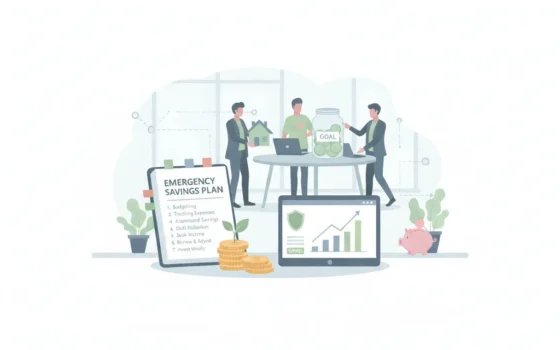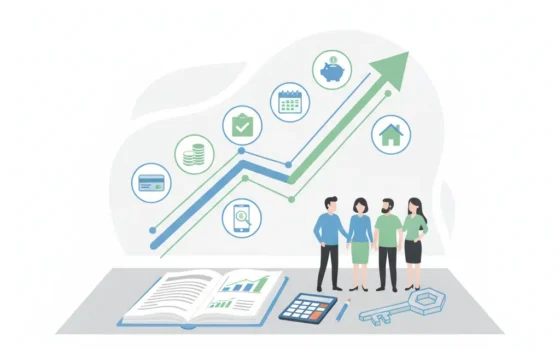
Managing personal finances is essential for ensuring financial stability and achieving goals over time. An effective budget is the most important tool in this process, allowing you to see your income and expenses and set priorities consciously. In 2026, with the variety of financial options available, from traditional banks to fintechs and credit unions, creating a personalized budget is more accessible than ever.
Why create an effective budget?
A personal budget works as a plan that guides your daily spending and future investments. Without it, the chances of financial imbalance increase, potentially leading to debt or a lack of emergency reserves. A good budget helps with:
- Organizing spending, identifying where the money is going;
- Planning purchases and expenses, avoiding impulsive spending;
- Setting financial goals, such as saving for a home, trip or retirement;
- Controlling debt, preventing high interest and late payments;
- Building financial security, with emergency reserves and investments.
Step by step to creating an efficient budget
1. Note all sources of income
List your salary, investment income, freelance work or any other financial inflow. It is essential to have a clear view of the total available to use.
2. Identify and categorize your expenses
Divide your expenses into fixed categories (rent, transport, monthly bills) and variable ones (eating out, leisure, shopping). Apps from digital banks, such as Banco Original, or platforms like PicPay, help categorize and analyze spending automatically.
3. Set priorities and limits for each category
Define realistic limits for each type of spending, prioritizing essential expenses and adjusting the amounts allocated to leisure and non-essentials according to your goals.
4. Set aside a portion for investments and savings
Regardless of the amount available, allocate at least 10% to financial reserves. Institutions such as BTG Pactual, Avenue or independent brokers offer options that suit different profiles and objectives.
5. Monitor and adjust your budget monthly
Periodically reviewing the budget, comparing income and expenses, helps identify deviations and correct the plan. Many banks and fintechs offer reports and alerts to make this tracking easier.
Digital tools that make budget control easier
Technology has made personal financial management easier. Platforms such as Inter, Banco Bari, Nomad, or apps integrated with traditional banks like Santander and Bradesco offer features for:
- Automatic expense tracking via card integration;
- Personalized expense and income reports;
- Alerts for excessive spending;
- Financial goal planning with dynamic tracking;
- Financial education with tips and exclusive content.
Important considerations for a sustainable budget
- Avoid underestimating variable expenses: they tend to be the biggest budget culprits;
- Don't ignore small expenses: the so-called “coffee expense” can have a significant impact over the month;
- Maintain discipline: regular tracking is essential for success;
- Review your goals: life changes and so do your priorities, always adjust your budget to reflect those changes.
Conclusion
Creating an effective budget is the first step toward financial control and achieving your dreams. With the many options available in the financial market, from credit unions such as Sicoob to international fintechs such as Revolut, it is possible to find tools and services that make this process simple and efficient.
Remember: the secret lies in knowing your finances, planning responsibly and adjusting your budget to your reality. Start now to chart your path toward stability and financial freedom in 2026!