Recovering your credit score quickly and safely is essential for anyone who wants to improve access to credit and financial conditions. Many people don't know where to start, but with planning and the right actions it is possible to reverse a low score. In this article, we will clearly explain the 7 steps to raise your score and secure credit with better rates.
What is a credit score and how it works
A credit score is a number that indicates a person's risk of default. This score usually ranges from 0 to 1000, depending on the credit bureau, and reflects financial habits such as paying bills, loans and financing. The higher the score, the greater the institutions' confidence in granting credit.
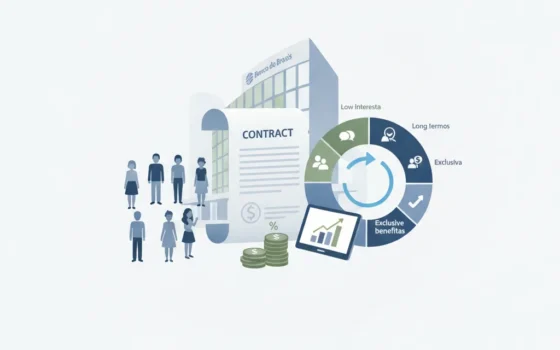
Companies such as Serasa, SPC and Boa Vista calculate this score based on the consumer's financial history. A good score makes it easier to get cards from digital banks such as Inter and Nubank, financing at Banco do Brasil or loans from finance companies such as Agibank, always with better conditions.
Advantages and benefits of having a good score
Having a high score brings several advantages. First, credit approval happens faster and with less bureaucracy. As a result, traditional banks such as Itaú and Santander release credit lines and cards with higher limits.
In addition, the interest rate tends to be lower, generating savings on debts. Fintechs such as C6 Bank and Mercado Pago, for example, often offer better deals to customers with a good score. Another benefit is increased bargaining power on installment purchases and personal loans.
Precautions and points of attention for recovering your score
Although recovering your score is possible, you must be careful not to fall into traps. Many offers promise quick increases but involve risks such as greater indebtedness. It is essential to review your budget before making any decision.
Also avoid requesting several credits at the same time, as this can be interpreted as financial desperation, reducing your score even further. In addition, check whether your registration data is correct in the Serasa and SPC databases, since errors have a negative impact.
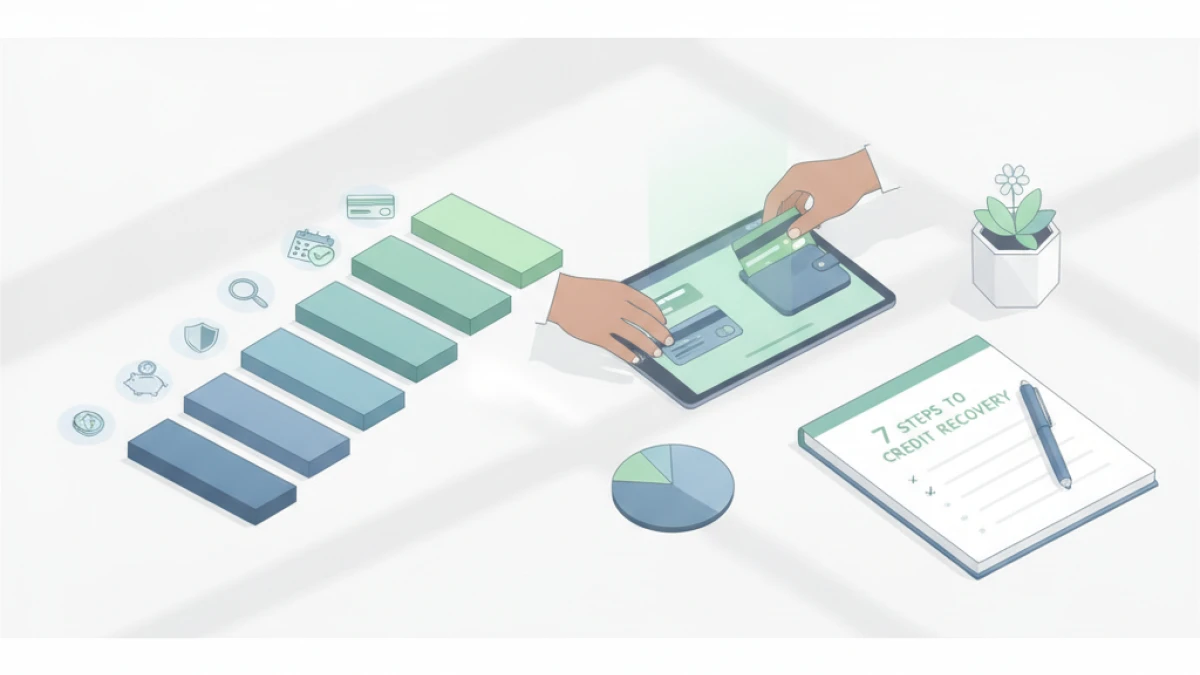
How to apply and start recovering your score in 7 steps
Below is a simple roadmap to reverse the situation with your score:
- 1. Get your credit report: Check your score and outstanding debts for free on the Serasa or Boa Vista website to understand what needs to be adjusted.
- 2. Pay outstanding debts: Prioritize negotiating overdue debts with banks such as Bradesco or finance companies such as BV Financeira to clear your name.
- 3. Correct negative information: If there are errors or unfair records, request corrections through the official platforms to ensure an accurate history.
- 4. Avoid future delays: Use alerts in your preferred digital bank app, such as Neon or Next, to remember to pay bills on time.
- 5. Use credit responsibly: If you need it, ask for a prepaid or controlled card from fintechs such as PicPay or Will Bank and make planned purchases.
- 6. Sign up for credit protection programs: If you are a member of Sicoob or Sicredi, take advantage of the services offered for financial management and score improvement.
- 7. Monitor your score regularly: Use trusted apps and websites to track how your score evolves and identify opportunities.
Conclusion
Recovering your credit score quickly and safely is a process that involves organization, discipline and conscious actions. By following the 7 steps presented, anyone can improve their score and secure better opportunities in the financial market.
Remember that patience is essential: small changes already make a difference and make it easier to access credit at banks such as Banco do Nordeste or fintechs such as Ame Digital. Start today and watch your score grow.