Organizing your finances can seem an even bigger challenge when your income is unstable. Many people face this reality and wonder how to ensure financial balance amid monthly variations. In this article, I will show you 7 steps to organize your finances even with unstable income, helping you gain more control and security.
What it means to organize finances with unstable income and how it works
Organizing finances with unstable income means adjusting financial planning to deal with money inflows that change in value or frequency. Instead of relying on a fixed amount, you need to create strategies to manage income that may vary. It works by identifying priorities, controlling spending and saving resources for periods with less money.
Advantages and benefits of organizing finances with variable income
By following steps to organize your finances with unstable income, you gain:
- Greater financial security: even with variable inflows, the money goes further and covers essential expenses.
- Reduced stress: without financial scares, it becomes easier to keep peace of mind day to day.
- Better control of spending: you avoid debt and can prioritize what really matters.
- Preparation for emergencies: building a reserve offers protection against unexpected events.
Precautions and points of attention when organizing finances with unstable income
It is important to be careful not to spend more than you really can. With variable income, it can be tempting to increase spending in good months, but this can hurt the months with less income. Also, it is ideal to record all transactions to identify where you can save and avoid surprises.
Another point is not relying exclusively on the credit card to cover a lack of money. Credit can carry high interest and increase debt quickly. The ideal is to use the card in moderation and keep a financial reserve to cover expenses in bad periods.
How to ask for help and start organizing your finances
First, make a detailed survey of your income. Note all sources and their approximate amounts. Then, list fixed and variable expenses to understand where your money goes. Institutions such as Banco Inter, Nubank, or cooperatives like Sicoob offer free digital tools to make this control easier.
In addition, start building an emergency fund, even a small one, to have basic financial security. Look for financial control apps recommended by traditional banks such as Bradesco or fintechs such as PicPay, which allow expense categorization and alerts to keep the budget on track.
The 7 steps to organize your finances even with unstable income
1. Map all your sources of income
List all financial inflows, whether fixed or variable. Include freelance work, benefits or any other form of earnings. This helps you get a complete and realistic view.
2. Classify expenses as essential and non-essential
Separate the obligatory expenses, such as rent and food, from those for leisure or comfort. Focus first on making sure the essentials are covered.
3. Set a budget based on the lowest monthly income
Use the lowest amount you normally receive to set your monthly spending limit. This way, you avoid debt in months when money is tighter.
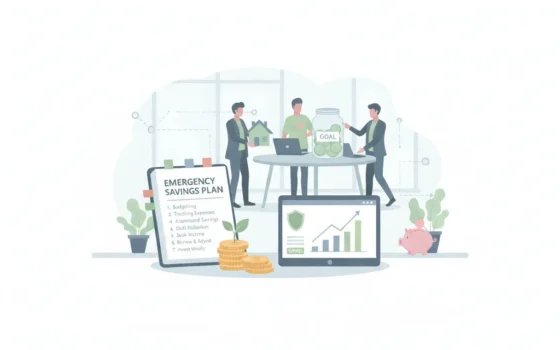
4. Create an emergency fund
Set aside part of your income to build a reserve that covers at least three months of basic expenses. This brings peace of mind in the face of instability.
5. Use digital tools for financial control
Apps such as PicPay, Next or the Banco do Brasil platform help you monitor spending in real time. They make it easier to track your budget and avoid excessive spending.
6. Save in months with higher income
When your money inflow increases, avoid spending it all and direct part of it to your reserve or to paying off debt. This habit creates a margin for the weaker months.
7. Seek professional help if necessary
If you have difficulty organizing your finances on your own, consider consulting a financial advisor or using services offered by investment banks such as BTG Pactual, which have personalized advisory services.
Conclusion
Organizing your finances even with unstable income is entirely possible by following a few simple steps. With planning, discipline and the right tools, you can ensure peace of mind and control over your money. Start putting these tips into practice now and see the difference in your monthly budget.