Organizing your finances and quickly eliminating debt is the desire of many people. With the right planning, it is possible to regain control of your money and ensure a healthy financial life. In this article, we present 7 practical steps that will help you get out of the red and achieve financial stability.
What it means to organize finances and how it works
Organizing your finances means understanding and controlling all your expenses, income and debts. This process involves recording expenses, making budgets, setting priorities and avoiding unnecessary spending. With financial organization, you can plan how to pay off debts and prevent new ones from forming.
It works as a control system that lets you track where your money goes and how you can save. Often, digital banks such as Banco Inter and fintechs such as PicPay offer simple tools that help you monitor your finances day to day.
Advantages and benefits
When you organize your finances, the benefits are clear: reduced stress and improved quality of life. You can better control your spending and avoid accumulating debt. In addition, financial planning improves your relationship with banks and financial institutions, making it easier to access credit on better terms.
Another important benefit is the possibility of investing what is left over, building an emergency reserve. Platforms such as XP Investimentos and Órama offer affordable options for beginners, making the path to financial independence easier.
Precautions and points of attention
To organize your finances and eliminate debt, be careful with easy credit offers and cards with high interest rates, common at finance companies such as Crefisa and Pan. Avoid using loans to pay other debts without clear planning, as this can make the problem worse.
In addition, pay attention to the fees and deadlines involved in any negotiation. Often, negotiating directly with banks such as Itaú or cooperatives such as Sicoob can bring more advantageous terms.
How to apply / get started
The first step to organizing your finances is to write down all your income and expenses, using a spreadsheet or apps offered by digital banks such as Neon and Next. Then, make a list of your debts, highlighting amounts, interest and deadlines.
With this information, prioritize the debts with the highest interest for quick payment. If necessary, renegotiate with traditional financial institutions such as Bradesco or fintechs such as Will Bank, seeking terms that fit your budget.
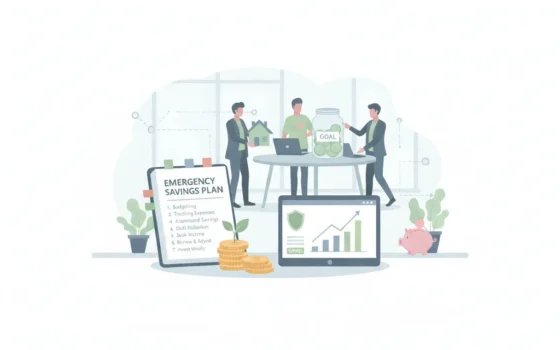
It is also essential to create an emergency reserve to avoid setbacks during the process. Finally, keep monthly control by reviewing your spending and adjusting your plan.
Conclusion
Following these 7 steps to organize your finances and quickly eliminate debt can transform your financial life. With discipline and the right tools, you reduce stress and create conditions for a more secure future. Use the resources offered by digital banks, cooperatives and brokerages to make your path easier.
Financial control is not an impossible challenge and, by starting today, you put your money in service of your dreams. Don't leave it for later: get organized, negotiate your debts and achieve the financial freedom you deserve!