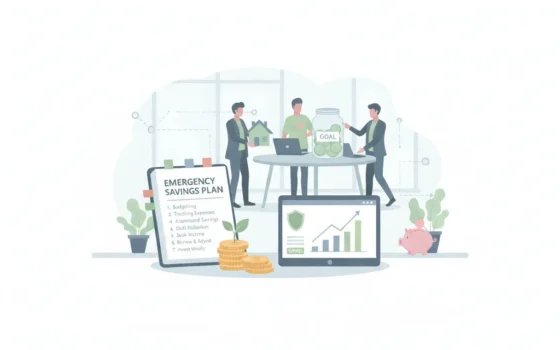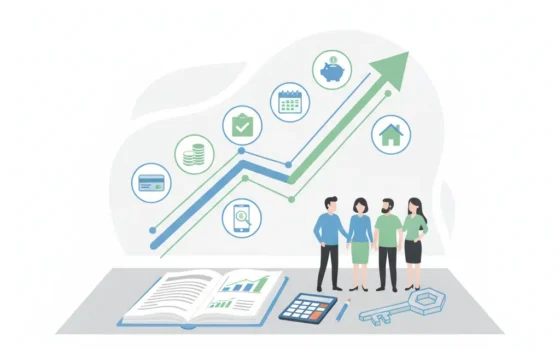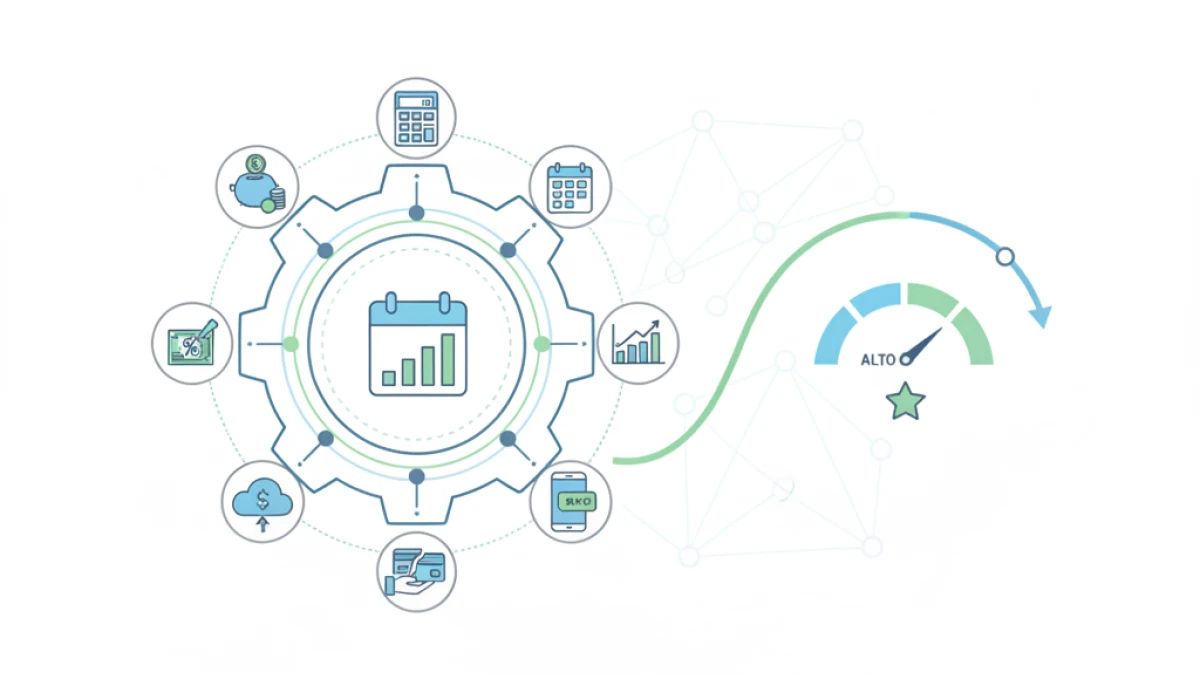
Organizing your finances and raising your credit score are common goals for anyone who wants financial stability. With a good score, you find it easier to get loans and better credit terms at banks such as Banco do Brasil, Santander or fintechs such as PicPay and Banco Inter. This guide presents 7 simple steps to help you on this journey, even if you have no experience.
What the credit score is and how it works
The credit score is a rating that indicates your financial history. It ranges from 0 to 1000 and tells banks and lenders the risk that you will not pay your debts. The higher the score, the greater your chances of getting credit on advantageous terms. Institutions such as Crefisa, Bradesco or fintechs such as PagBank use this rating to approve loans and cards.
Advantages and benefits of having organized finances and a high score
Having your finances in order and a high score brings important benefits. You receive better credit offers, with lower interest rates and higher limits. In addition, you pay your bills on time, avoid debt and have greater control over your money. Fintechs such as Neon and traditional banks such as Itaú offer advantages to those who maintain a good score and financial organization.
Precautions and points of attention when organizing your finances
Be careful not to confuse financial organization with cutting essential expenses. The focus should be balance and planning. Avoid late payments, as they quickly harm your score. Also stay alert to offers that seem too good, which may be financial traps. For that reason, choose trustworthy institutions such as XP Investimentos or Banco Safra for your investments and credit.
How to ask for help and start organizing your finances
To begin, use financial apps such as Conta Zé or the fintech Stone, which help control spending. Another option is to seek guidance at banks such as Banrisul or cooperatives such as Sicoob, which offer financial education services. The important thing is to take the first step to understand your cash flow and avoid future debts.
7 steps to organize your finances and raise your score quickly
- 1. Record all your expenses and income: Keep a spreadsheet or app to monitor money coming in and going out.
- 2. Make a monthly budget: Set spending limits according to your income.
- 3. Prioritize paying bills on time: Avoid delays to keep your score high.
- 4. Negotiate outstanding debts: Look to banks such as Banco do Nordeste or lenders such as BV Financeira to renegotiate.
- 5. Avoid unnecessary new credit: Control yourself before taking loans or installment plans.
- 6. Invest in financial education: Use courses or content from institutions such as XP and Banco Safra.
- 7. Monitor your score regularly: Use services from Serasa, Boa Vista, or the C6 Bank and Next apps to track your progress.
Conclusion
Organizing your finances and raising your score quickly depends on discipline and planning. With simple actions, you improve your financial health and gain more opportunities in the market. Rely on trustworthy apps, banks and cooperatives to help you on this path. Remember: the secret is to start and stay consistent.