If you want to raise your score quickly, understanding how Serasa and SPC work is essential. The score is a rating that reflects your financial history and is used by banks and companies to release credit. With a few simple actions, you can improve this score and make it easier to access loans, financing and cards. Let's show you 7 practical steps to raise your score quickly.
What the score is and how it works
The credit score is a rating that generally ranges from 0 to 1000, calculated based on your financial behavior. Serasa and SPC are the largest credit bureaus that collect data such as on-time payments, debts, bounced checks and banking history. The higher your score, the more trustworthy you will be to institutions such as Banco do Brasil, Caixa Econômica and fintechs like PicPay and Will Bank.
This number directly influences the credit conditions you can obtain. If the score is low, banks and lenders such as PAN or Agibank may deny loans or require higher interest rates. That is why understanding what affects your score is essential for improving your financial health.
Advantages and benefits of raising your score
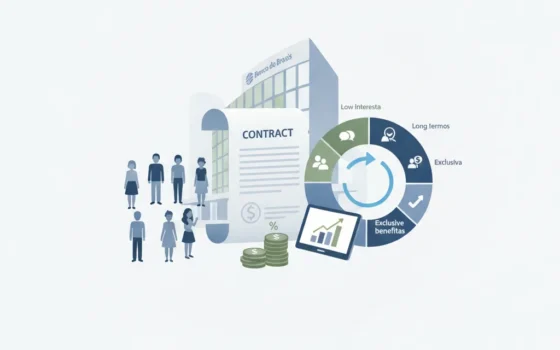
Having a high score brings several benefits. First, it allows you to access better credit lines with lower interest rates. Institutions such as Nubank and Inter offer more advantageous terms to those with a good history. In addition, approval for financing, such as at Santander or Safra, becomes simpler.
Another important benefit is the ease of opening accounts at digital banks such as Neon or Next, and even getting cards with higher limits from programs such as Credicard or Digio. This improves your purchasing power and financial management.
Precautions and points of attention
Despite the advantages, you need to be careful. Avoid applying for too much credit, as multiple inquiries against your CPF can lower your score. Also, always keep your bills paid on time, since late payments are recorded with the bureaus and hurt your score.
Another tip is to regularly review your CPF on platforms such as XP or Modal to make sure there are no improper charges or registration errors. If you find anything wrong, dispute it as soon as possible so it doesn't have a negative impact.
How to request / start increasing your score
The first step to quickly raise your score is to access your report on Serasa and SPC to understand your current situation. You can do this through the Serasa website or app, Mercado Pago, or even the Clear app. Checking your debts, restrictions and pending payments is essential for drawing up a plan.
Then, prioritize paying off overdue debts with lenders such as Crefisa or BV Financeira. Paying these debts helps clear your name and raise your score. Also focus on building a positive history by paying bills on time through digital bank accounts such as Iti or PagBank.
Another strategy is to set up automatic payment for your bills so you don't risk forgetting and falling behind. In addition, consider using credit responsibly to earn points, such as getting a store card from Renner or Casas Bahia and paying it correctly.
Conclusion
Raising your score quickly is possible by following simple steps and maintaining financial discipline. Checking your history on Serasa and SPC, paying off debts, avoiding many inquiries and building a good payment history are the main actions. By applying these tips, you improve your chances of obtaining credit on better terms from traditional banks, fintechs and lenders.
Remember: your score reflects your financial responsibility. With attention and planning, you can transform your profile and reach better opportunities in the credit market.