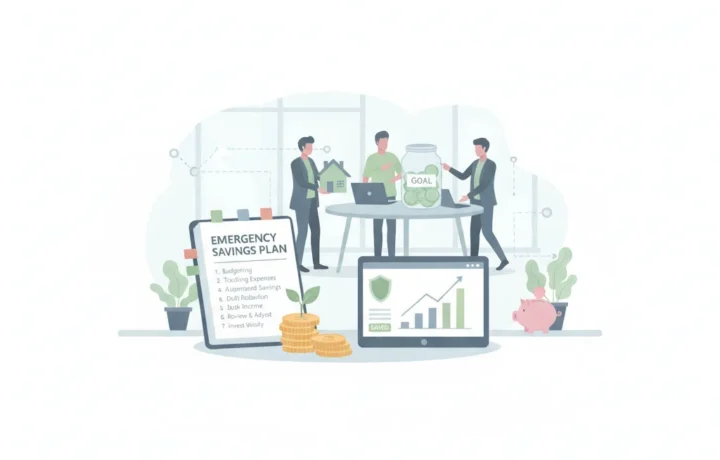
Building a solid emergency reserve is a fundamental step to ensure financial security. Having a reserve means being prepared for unexpected events, such as medical expenses or loss of income. In this article, we will present 7 financial habits that help you build this reserve with more ease and discipline.
What an emergency reserve is and how it works
The emergency reserve is an amount of money set aside to be used in urgent and unexpected situations. Generally, this money is kept in safe and easily accessible investments, such as savings accounts, Tesouro Selic or digital accounts like Inter and PicPay. The goal is to avoid using high-interest credit in times of difficulty.
Advantages and benefits
Having a solid reserve brings peace of mind and financial autonomy. You can face unexpected events without resorting to loans or credit cards. In addition, maintaining this habit contributes to financial discipline and improves control over your spending.
Precautions and points of attention
It is important that the reserve be quickly available and not invested in highly volatile assets. Avoid using this money for everyday expenses and review the amount periodically, adjusting it according to your needs and inflation.
How to get started building your reserve
First, define how much you want to save — ideally, accumulate three to six months of your fixed expenses. Choose a type of account or investment with immediate liquidity. Digital banks like Neon and traditional banks like Banco do Brasil offer easy options to get started. Then, set aside a monthly amount without compromising your budget.
7 financial habits to build a solid reserve
1. Organize your finances: know exactly how much you earn and how much you spend. Use apps from Itaú or Santander to make this control easier.
2. Set a clear goal: define how much you intend to accumulate and in how much time.
3. Set aside a fixed amount monthly: be disciplined about saving this money every month, even if in small amounts.
4. Avoid unnecessary debts: revolving credit and loans can compromise your ability to save.
5. Use accounts with good returns and liquidity: use platforms such as XP, Rico or Modal to ensure safety and returns.
6. Review your budget regularly: adjust expenses and increase your reserve whenever possible.
7. Be patient and persistent: building the reserve takes time, but consistency is what brings results.
Conclusion
Adopting these 7 financial habits is essential to ensure a solid and effective emergency reserve. With planning, discipline and smart choices, you will be prepared to face any unexpected event with peace of mind. Start organizing your finances today and building your secure financial future.