Improving your credit score and keeping your debts under control are essential steps toward solid financial health. Many people don't know it, but small daily habits can make a big difference in this process. In this article, you will learn 7 financial habits that help raise your score and keep your finances organized, avoiding the buildup of debt. We will explain this in a simple and practical way, so that anyone can apply it in everyday life.
What is a credit score and how it works
The credit score is a score used by financial institutions to measure the risk of granting credit to a person. This score generally ranges from 0 to 1000 and reflects payment history, financial behavior and outstanding debts.
The higher the score, the better the individual's financial reputation, which makes it easier to get loans, credit cards and higher limits. That is why controlling debts is essential so that the score is not harmed.
7 financial habits to improve your score and control your debts
Check out the habits you can adopt to take better care of your money and raise your score:
- 1. Pay your bills on time: This is the most important habit. Late payments negatively affect your score and generate interest and fines.
- 2. Set up a monthly budget: Track your income and expenses to understand where your money is going and avoid unnecessary spending.
- 3. Avoid excessive use of your card limit: Using more than 30% of the available limit can lower your score. Prefer to pay the full invoice amount so you don't accumulate interest.
- 4. Negotiate your debts: If you have overdue bills, contact the financial institution to negotiate. Often, banks such as Bradesco, Itaú or fintechs such as PicPay and C6 Bank offer installment plans with lower interest.
- 5. Use credit responsibly: Instead of taking unnecessary loans, focus on saving and using credit only in emergencies.
- 6. Monitor your score regularly: Platforms such as Serasa and SPC let you track your score. This helps you identify problems and act quickly.
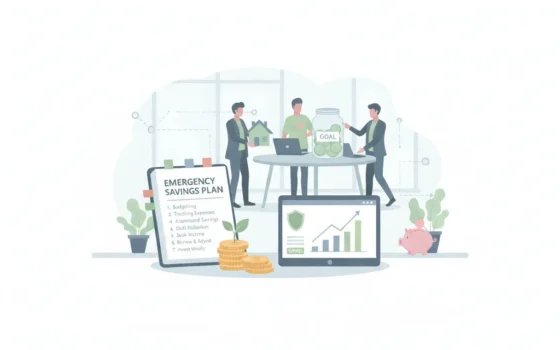
- 7. Build an emergency fund: Having money saved keeps you from needing credit in unexpected situations, reducing the risk of indebtedness.
Advantages and benefits of keeping these habits
Adopting these habits brings several advantages, such as:
- Higher score, making it easier to access better credit conditions.
- Lower interest and fines from paying bills on time.
- Greater financial control, allowing more conscious purchasing decisions and planning for future goals.
- Less stress caused by accumulated debts and constant collection calls.
Precautions and points of attention
Although these habits are effective, it is important to pay attention to some details:
- There is no point in only raising your score if your monthly budget is not balanced.
- Avoid taking on several debts at the same time without planning.
- Be wary of credit offers that are very easy or have extreme conditions, as they may hide financial traps.
- Remember that building a good score takes time; patience and discipline are essential.
How to start changing your financial habits
To begin your financial transformation, follow these simple steps:
- Open an account at a digital bank such as Neon or Inter to make it easier to control your finances.
- Make a list of all your debts and check your score on trusted platforms.
- Create a budget, recording every money inflow and outflow.
- Pay bills on the due date and avoid superfluous spending.
- If necessary, seek financial guidance from credit cooperatives such as Sicredi or Sicoob, which usually offer personalized service.
Conclusion
Improving your score and controlling your debts is possible with discipline and simple habits. Paying bills on time, organizing your budget and avoiding abusive use of credit are the foundations of a healthy financial life. Remember: the secret lies in consistency. Start changing your habits today and watch your score grow along with your financial peace of mind.