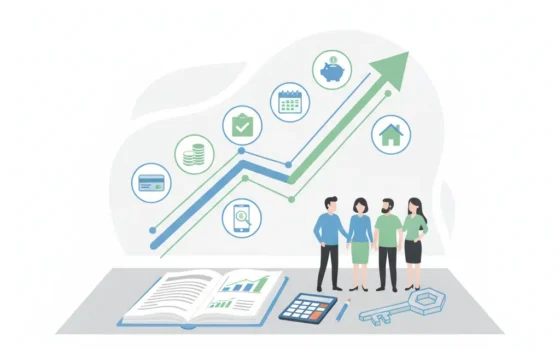
Organizing your monthly budget and raising your credit score are essential steps to achieving financial stability. Many Brazilians face challenges in this area, but with simple habits it is possible to improve these aspects. The credit score is a rating that institutions use to assess your financial behavior. We will show you 7 financial habits to raise your score and organize your monthly budget, with practical tips that are easy to apply.
What the credit score is and how it works
The credit score is a number ranging from 0 to 1000, which indicates the risk a person represents to the financial market. The higher the score, the greater the chances of obtaining loans, financing and better terms. Banks such as PAN, BMG and finance companies, as well as digital institutions like Inter and Nubank, use this score to make credit decisions.
This number is calculated based on your financial history, such as on-time payments, overdue bills, the volume of credit used and other information linked to your CPF or CNPJ. A high score makes it easier to access lower interest rates and better offers.
Advantages and benefits of having a high score and an organized budget
Maintaining a good score and managing your monthly budget effectively brings several benefits:
- Easier credit: loans and cards are approved quickly.
- Lower interest: better conditions for financing and loans.
- Financial control: avoids debt and end-of-month surprises.
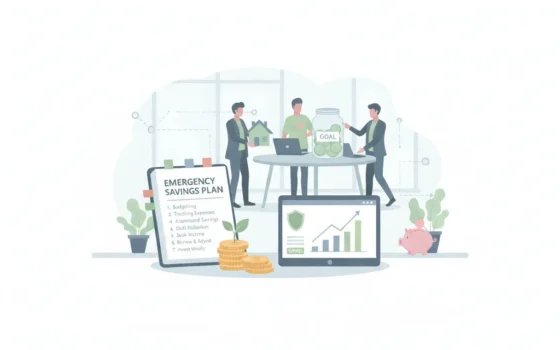
- Planning: helps you build reserves for emergencies and dreams.
- Financial security: reduces stress related to personal finances.
Precautions and points of attention
Despite the benefits, it is important to pay attention to some details to keep your finances healthy:
- Avoid late payments: late payments hurt your score and generate fines and interest.
- Don't exceed your card limit: keeping usage within your capacity avoids impact on your score.
- Consider your income: don't commit more than 30% of your income to debts.
- Avoid many inquiries on your CPF, as this can lower your score.
- Use apps such as the digital bank C6 Bank and PicPay to control daily spending and plan your budget.
How to apply and start improving your financial habits
To begin, list all your monthly income and expenses. Use tools available in digital banks such as Neon, Next and Will Bank to track your spending in real time. This helps avoid unnecessary spending.
It is also important to check your credit score, a service offered by platforms such as Serasa and even banks such as Banco do Brasil and Caixa Econômica. When you identify outstanding debts, negotiate with finance companies such as Crefisa or Losango to clear your name and improve your score.
Set clear goals, such as always paying bills before the due date, using your card in moderation and building an emergency reserve. Avoiding excessive use of revolving credit also helps keep your budget balanced.
Conclusion
Cultivating healthy financial habits is the way to ensure a high score and an organized monthly budget. With discipline and a few simple changes in your daily routine, you improve your financial health and open doors to better opportunities. Use the digital resources of banks such as XP, BTG Pactual and fintechs to optimize your financial management and reach your goals.