Increasing your credit score is essential to improve access to personal credit with better terms. Many people don't know how small changes in financial habits can directly impact their score. In this article, you'll learn 7 practical strategies to raise your score and get approved more easily for loans, financing and credit cards.
What is a credit score and how it works
A credit score is a rating that financial institutions use to assess your risk when granting credit. It generally ranges from 0 to 1000 and reflects your financial history, such as on-time payments and credit utilization. The higher the score, the lower the interest and the easier it is to obtain credit.
To calculate it, companies such as Serasa and Boa Vista analyze data from your accounts, payments, debt levels and financial behavior. This score helps digital banks like Neon or Santander decide whether to grant credit and under which conditions.
7 strategies to raise your score and improve your personal credit
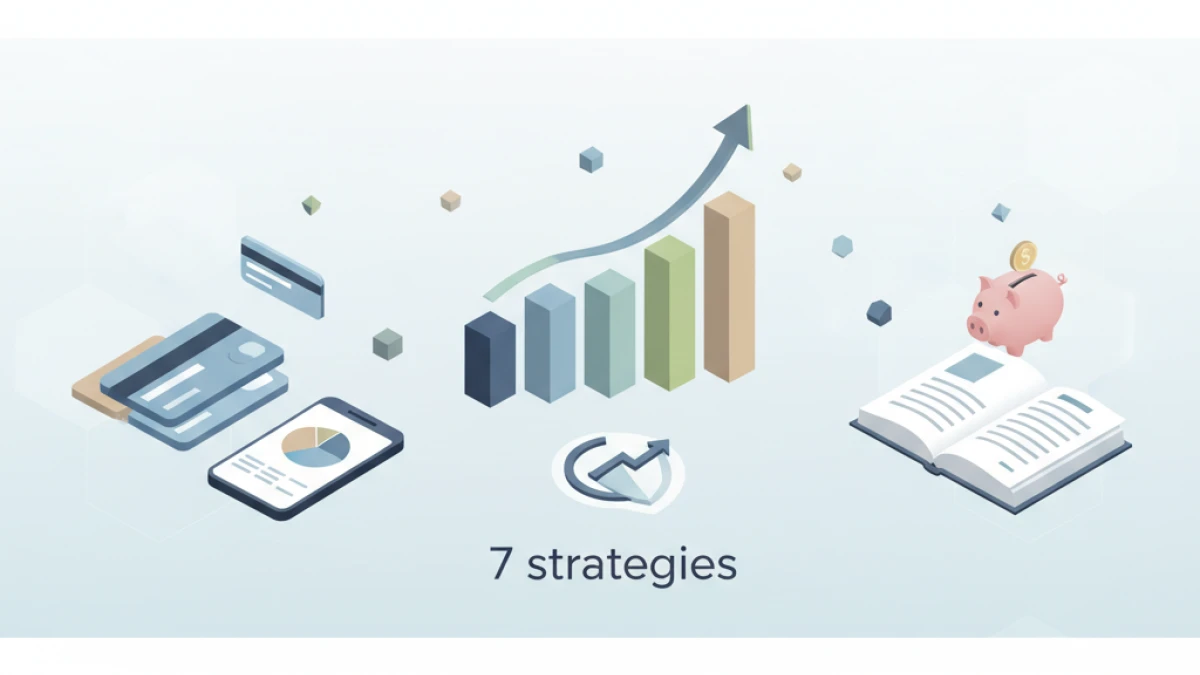
Now, see 7 effective tips to boost your score and open more doors in the financial world.
- Always pay your bills on time: A history of punctual payments is fundamental. Avoid late payments on electricity, water, card and bank slip bills. This shows responsibility to banks like Banco do Brasil and fintechs like PicPay.
- Don't leave your name in SPC or Serasa: Having a clean name shows you are up to date with your commitments; raise your score by avoiding outstanding debts. If you have any debt, negotiate to pay it off.
- Keep good use of your card limit: Avoid using more than 30% of your credit card, as excessive use may indicate risk. Digital banks like C6 Bank and Iti follow this rule to target their offers.
- Keep your registration updated on platforms: Accurate information helps in the evaluation processes; an updated CPF, phone number and address give more confidence to institutions like XP and Modal.
- Vary the types of credit you use: Having different products such as cards, loans and financing with good performance helps. It demonstrates experience in managing debts at banks like Bradesco and cooperatives like Sicredi.
- Avoid opening many accounts or requesting excessive credit: Many inquiries in a short period signal risk to lenders like PAN and BMG. Avoid repeatedly applying for credit in a short time.
- Use financial education tools: Apps like GuiaBolso, or content from brokerages like Rico, help you control your finances better and improve your score in the long term.
Advantages and benefits of raising your score
Having a high score brings several advantages. You receive more attractive offers, with lower interest rates and higher limits on cards and loans. For example, traditional banks like Itaú and Banco do Nordeste grant special rates to those with a good score.
In addition, a good score makes quick approval of financing easier and can help you get a no-annual-fee credit card from fintechs like Will Bank and Neon. With a good financial reputation, you have more bargaining power and security with financial institutions.
Precautions and points of attention
Although it is good to focus on raising your score, avoid the temptation to use services that promise to raise your score quickly. These services are often unsafe and can harm your history.
Also make sure to control your personal finances so you don't end up with high debts. Raising your score does not replace good daily financial management. Keep an eye on your card limit so you don't get into debt.
How to request / start improving your score
The first step is to check your current score with agencies such as Serasa Experian and Boa Vista. This is free and can be done online.
Then, focus on implementing the tips already presented. Try to negotiate outstanding debts with banks such as Banco Safra or fintechs such as Ame Digital to clean up your name.
If you are struggling, seek advice from cooperatives such as Sicoob or use financial education platforms offered by brokerages such as Órama. These institutions help you reorganize your budget.
Conclusion
Improving your personal credit score is entirely possible with discipline and good financial practices. The positive impact is reflected in greater opportunities in the credit market, with better terms and less red tape.
Use the 7 suggested strategies to start building a solid financial history today. With patience and control, you will see your score rise and open new doors to your financial achievements.