Understanding how to quickly raise your credit score in Brazil is essential to securing better financial conditions. The credit score is a rating that indicates how reliable a consumer is in the eyes of financial institutions. With a high score, you have a better chance of obtaining loans, cards and financing with lower interest rates and faster approval.
What it is and how the credit score works
The credit score is a grade ranging from 0 to 1000, created by analysis companies such as Serasa and SPC. This rating reflects the consumer's financial history, considering payments, debts and credit behavior. The higher the score, the greater the confidence financial institutions have in granting credit.
The calculation takes into account data such as paying bills on time, existing outstanding debts, the length of the financial relationship and the number of queries on the CPF. That is why understanding these criteria helps you plan strategies to improve your score.
Advantages and benefits of a high score
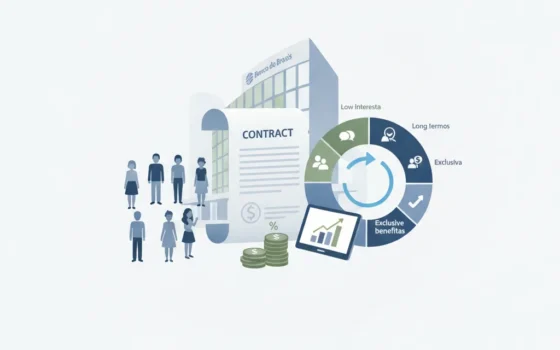
A high score opens many doors. With it, you can get credit approved faster, access better credit cards and exclusive conditions at banks and finance companies. In addition, you can negotiate lower interest rates and get loans with more flexible terms.
Institutions such as Banco Inter, XP and Sicoob, for example, usually offer advantages to customers with a good score. This increases not only access, but also security and savings in financial operations.
Precautions and points of attention for improving your score
It is important to avoid certain attitudes that can harm your score. One of the main mistakes is paying late, which signals risk to institutions. It is also inadvisable to close digital accounts or frequently used cards without prior planning.
Avoid excessive credit inquiries, as this may signal financial instability. In addition, pay attention to pending debts and try to settle them as soon as possible. Many fintechs such as PagBank or Neon provide tools to track and clean up your history.
How to request and start increasing your credit score
The first step is to check your score with the main credit bureaus such as Serasa and SPC. Platforms such as Clear and Rico offer free score monitoring. Analyze your history and identify points that need improvement.
Next, plan to pay bills on time — this includes phone, electricity and installment bills. Prefer to have few installments and avoid delays. Another tip is to use cards from banks such as Bradesco or Ame Digital to build your credit history in a positive way.
For those who do not yet have a score, starting with a credit card or small loans from digital banks such as C6 Bank or Next can help build a financial history.
Seven effective strategies to quickly increase your score
- 1. Pay bills on time: this is the most important factor for raising your score.
- 2. Settle outstanding debts: paying off debts prevents restrictions on your CPF.
- 3. Use credit responsibly: avoid using the full card limit and prefer smaller installments.
- 4. Keep your registration up to date: correct data helps with credit checks.
- 5. Diversify financial products: having different products such as a digital account, card and loan helps improve your history.
- 6. Avoid many credit inquiries in a short period: this can be seen as a sign of risk.
- 7. Use financial control tools and apps: fintechs such as PicPay and Will Bank offer features to monitor accounts and due date alerts.
Conclusion
Improving your credit score does not need to be complicated, but it requires discipline and conscious habits. With small changes, such as paying bills on time and avoiding debt, you can raise your score quickly.
Remember to check your history regularly and use credit responsibly. Relying on suitable financial institutions — such as Banco do Brasil, XP or various fintechs — also makes the process easier.
By following these strategies, you will be on the right path to securing better financial conditions and more opportunities in the Brazilian market.